

Introduction
The way we interact with digital surroundings is increasingly changing, thanks to immersive-reality technologies. These advancements, which include virtual reality (VR), augmented reality (AR), mixed reality (MR), and extended reality (XR), are transforming industries like gaming, healthcare, education, retail, and remote work.
By merging the physical and digital worlds, immersive technologies enhance experiences, improve productivity, and uncover new possibilities for human-computer interaction.
In this article, we’ll look at what immersive-reality technologies are, how they work, their primary applications, and the future of digital immersion.
What Are Immersive-Reality Technologies?
Immersive-reality technologies produce digital experiences that engage the senses of sight, hearing, and touch. By combining the virtual and physical worlds, these technologies enhance the realistic, engaging, and interactive nature of interactions.
Types of Immersive Technologies:
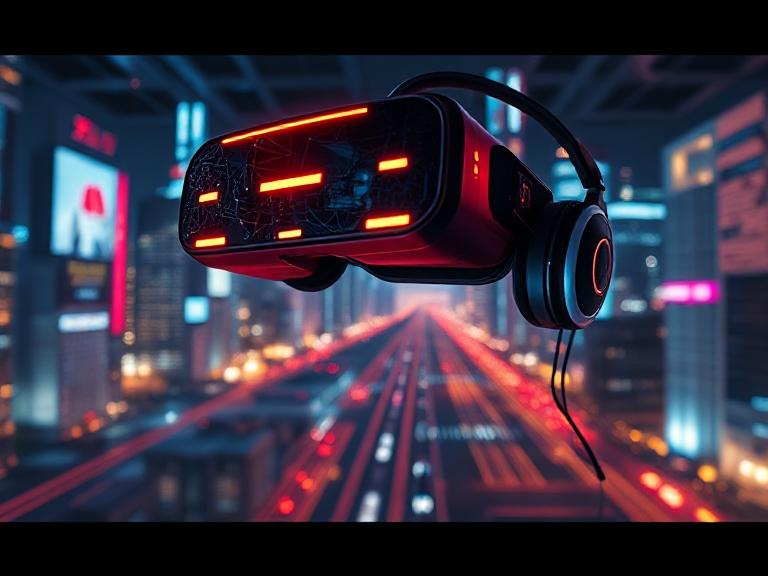
- 100% VR headsets such as Oculus Quest, HTC Vive, and PlayStation VR provide fully immersive digital landscapes that replace the physical world.
- Augmented Reality (AR) uses smartphones, AR glasses, and HUDs to overlay digital content on real-world objects. Examples include Pokémon Go and Snapchat’s AR filters.
- Mixed Reality (MR) combines actual and virtual surroundings, allowing digital items to interact with physical spaces in real time. Devices such as Microsoft HoloLens enable MR experiences.
- Extended Reality (XR) refers to immersive digital experiences, including VR, AR, and MR.
How Do Immersive-Reality Technologies Work?
To build lifelike, interactive environments, immersive reality uses hardware, software, and AI-driven algorithms.
Core Components of Immersive Technologies:
- Head-Mounted Displays (HMDs): VR headsets, AR smart glasses, and MR headsets project digital content onto the user’s view.
- Spatial Computing & AI: Utilizes AI, machine learning, and real-time tracking to customize environments based on user behavior.
- Haptic Feedback & Motion Sensors: Enhances the sense of presence by enabling users to experience vibrations, resistance, and textures in virtual spaces.
- 3D Rendering & Graphics Processing: High-quality virtual environments are rendered in real time using powerful GPUs and cloud computing.
Applications of Immersive-Reality Technologies
Gaming & Entertainment
- VR and AR revolutionize gaming by delivering lifelike, engaging experiences.
- AR games like Pokémon GO and VR games like Half-Life: Alyx demonstrate the power of immersive gameplay.
- Metaverse systems, such as Meta Horizon Worlds and Decentraland, offer social VR experiences.
Healthcare & Medical Training
- VR simulations prepare surgeons for complicated medical operations.
- AR overlays let doctors do real-time surgery by displaying important information.
- VR exposure therapy has been used in mental health therapy to treat PTSD, phobias, and anxiety.
Education & Workforce Training
- Immersive learning experiences enable students to investigate historical events, scientific topics, and virtual classrooms.
- Companies use virtual reality-based staff training in fields such as manufacturing, aviation, and emergency response.
- AR textbooks and interactive AR apps let instructional content come to life.
Retail & E-Commerce
- AR-powered virtual try-ons allow clients to view how clothes, makeup, and furnishings look in real life.
- IKEA, Sephora, and Nike leverage AR shopping experiences to increase customer engagement.
- VR showrooms and virtual malls enable internet shopping while providing engaging brand experiences.
Remote Work & Virtual Collaboration
- Teams can collaborate in VR through virtual meeting places such as Meta’s Horizon Workrooms.
- AR promotes remote support by allowing workers to exchange real-time digital overlays with experts.
- Digital workplaces, such as Spatial and Microsoft Mesh, enable realistic, interactive distant collaboration.
Real Estate & Architecture
- VR enables homebuyers to view houses remotely via 360-degree virtual tours.
- Architects utilize AR and MR to view projects before they begin.
- Smart cities employ immersive data visualization to improve urban planning.
Automotive & Manufacturing
- Car manufacturers employ virtual reality prototyping to create vehicles prior to production.
- AR helps car professionals by overlaying repair instructions on vehicles.
- BMW and Tesla use VR-based training for production workers.
Benefits of Immersive-Reality Technologies
- Improved User Engagement: Immersive experiences are more interactive, memorable, and engaging than typical digital material.
- Improved Learning & Training – VR and AR offer realistic, hands-on learning to enhance information retention.
- Remote Accessibility – Virtual surroundings are accessible from anywhere, minimizing the requirement for physical travel.
- Improved Efficiency & Productivity – Immersive technologies help businesses expedite procedures, minimize errors, and improve cooperation.
- Companies may generate new revenue streams by monetizing VR experiences, AR marketing campaigns, and virtual items.
Challenges of Immersive-Reality Technologies
- High development costs – Producing high-quality immersive content necessitates significant investment in hardware, software, and experience.
- Barriers to VR and AR adoption include high costs, limited usability, and lack of standardization.
- Health & Safety Concerns: Extended usage of immersive technologies may lead to motion sickness, eye strain, and confusion.
- Privacy & Data Security Risks – Immersive experiences capture extensive biometric and location data, posing privacy concerns for users.
- Limited Content and Ecosystem Growth – The immersive-reality business is in its early stages, with few high-quality applications available.
The Future of Immersive-Reality Technologies
- AI-Driven Immersive Experiences: AI will improve tailored and adaptive VR and AR experiences for users.
- 5G & Cloud VR/AR – Faster networks provide smooth, high-quality immersive experiences without costly hardware.
- Full-body haptic suits and Brain-Computer Interfaces (BCIs) – Future immersive technology will support touch and possibly neurological interfacing.
- The Metaverse and Digital Economy – The emergence of the Metaverse will fuel virtual commerce, NFT-based ownership, and decentralized experiences.
- Integrating Mixed Reality (MR) into Daily Life: MR glasses will replace traditional screens, effortlessly combining the physical and digital worlds.
Conclusion
Immersive-reality technologies are revolutionizing entertainment, business, education, healthcare, and beyond. As VR, AR, MR, and XR progress, they will provide increasingly realistic, interactive, and compelling digital experiences.
While obstacles persist, advances in AI, 5G, and spatial computing will hasten adoption and innovation in immersive technology.
The future is clear: immersive-reality technology will revolutionize how we work, learn, play, and engage with digital material. Are you prepared to embrace the next wave of digital experiences?