
Introduction: The Next Phase of the Internet
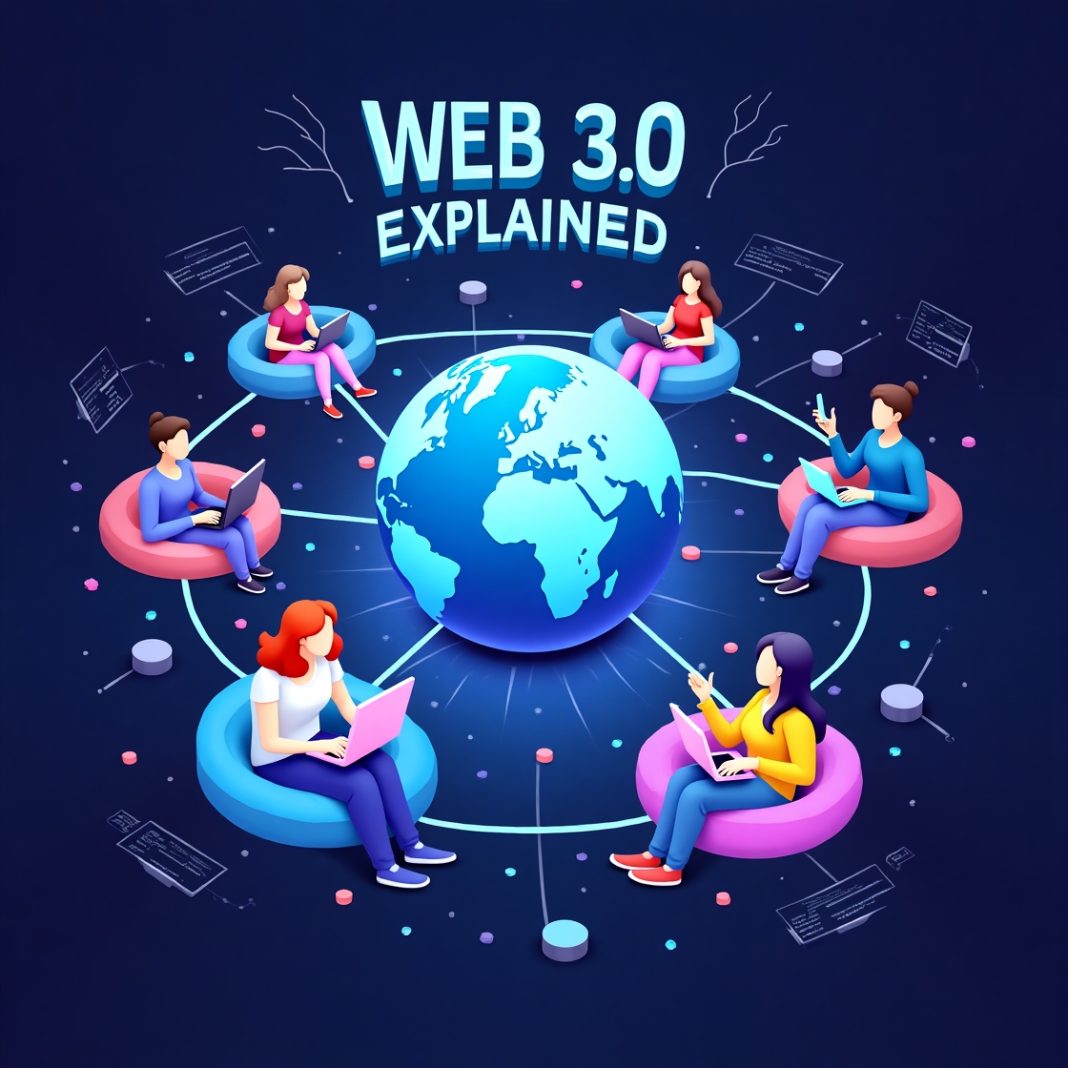
The internet you know today is transforming. In 2025, Web 3.0 is no longer just a buzzword—it’s redefining how we connect, share, and create online. Unlike Web 2.0, which centralized power in the hands of big tech, Web 3.0 shifts control back to users through decentralization, blockchain, and AI-powered experiences.
So, what exactly is Web 3.0, and why does it matter? Let’s break it down in simple terms.
What Is Web 3.0?
Web 3.0 is the next generation of the internet, built on:
- Decentralized networks (blockchain-based).
- Smart contracts for trustless transactions.
- AI and machine learning for smarter personalization.
- Ownership of digital assets (NFTs, tokens).
Think of it as moving from a “read-only web” (Web 1.0) to a “social web” (Web 2.0), and now to an “ownership-driven web.”
Key Features of Web 3.0 in 2025
1. Decentralization
No single company controls the data. Instead, blockchain networks distribute it across multiple nodes, reducing censorship and manipulation.
2. User Ownership
From digital art to in-game items, users own their online assets through NFTs and tokens, stored in crypto wallets.
3. Interoperability
Apps and platforms communicate seamlessly, creating a borderless internet experience.
4. AI & Personalization
Web 3.0 uses AI to deliver smarter search results, personalized recommendations, and adaptive interfaces.
Real-World Examples of Web 3.0
- Ethereum & Solana: Powering decentralized apps (dApps).
- Brave Browser: Users earn crypto by opting into ads.
- Decentraland & Sandbox: Virtual worlds where land and assets are owned by players.
- Filecoin & IPFS: Decentralized storage solutions replacing traditional servers.
How Web 3.0 Is Changing Industries
Finance (DeFi)
Banks are no longer gatekeepers. Decentralized finance (DeFi) allows instant lending, borrowing, and trading without intermediaries.
Social Media
Platforms like Lens Protocol let users own their content and earn directly from engagement—unlike Facebook or Instagram.
Gaming
“Play-to-earn” models reward players with crypto and NFTs, making gaming more than entertainment.
Healthcare
Blockchain secures patient data and enables interoperable medical records across hospitals.
Benefits of Web 3.0
- User control over data and assets.
- Transparency through open-source systems.
- Privacy protection with encrypted identities.
- Fair monetization for creators and developers.
Challenges Ahead
While promising, Web 3.0 faces hurdles:
- Scalability issues in blockchain networks.
- High gas fees on popular chains.
- Regulatory uncertainty in many countries.
- Steep learning curve for mainstream adoption.
Conclusion: The Future Is Decentralized
In 2025, Web 3.0 isn’t just theory—it’s shaping industries, empowering users, and decentralizing the internet. While challenges exist, the potential for ownership, transparency, and innovation is unmatched.
Related Reading
- Top Tech Companies in the USA 2025: Innovation, Jobs, and Market Leaders.
- Smart Glasses Technology – How AR Glasses Are Changing Daily Life.
- Best Smart Glasses 2025 – AR Glasses with Advanced Features & Price Guide.
FAQs on Web 3.0
1. Is Web 3.0 already here in 2025?
Yes, many platforms are Web 3.0-based, but full adoption is still evolving.
2. Do I need crypto to use Web 3.0?
Not always—some apps integrate fiat payments, but wallets and tokens are central to the experience.
3. Can Web 3.0 replace traditional internet?
It won’t replace it entirely; instead, it will coexist and enhance the web with decentralized layers.