


Introduction: From Sci-Fi to Daily Reality
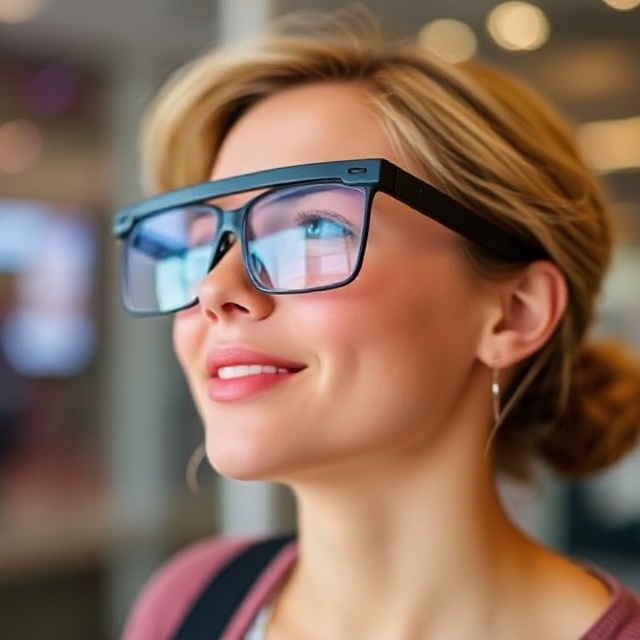
Smart glasses were once a futuristic concept reserved for science fiction movies. In 2025, they’re a fast-growing part of everyday life. Sleeker, lighter, and smarter than ever, AR glasses are now practical tools for professionals, students, travelers, and even gamers. They’re no longer just “tech toys” — they’re becoming essential wearables that improve how we work, communicate, and interact with the world.
What Exactly Are Smart Glasses?
Smart glasses are wearable devices shaped like regular spectacles but packed with sensors, mini-projectors, and processors. Their main job is to overlay digital information onto the real world through augmented reality (AR).
Instead of looking down at your phone, you glance naturally ahead and see:
- Navigation arrows on the street.
- Live translations of conversations.
- Notifications and calls without reaching for your pocket.
- 3D objects integrated into your environment for gaming or learning.
This heads-up display style gives you a hands-free experience that feels seamless.
Key Ways AR Glasses Are Transforming Daily Life
1. Boosting Productivity at Work
Smart glasses are becoming indispensable in the workplace. Engineers view 3D models overlaid on machinery. Surgeons see vital stats while operating. Remote workers use AR meetings to collaborate in real time. All of this reduces errors, speeds up tasks, and improves communication.
2. Enhancing Education and Training
In schools and training centers, AR glasses bring lessons to life. Students can walk through virtual historical sites or study molecules in 3D. Trainees in complex fields like aviation or medicine practice procedures using lifelike simulations projected directly into their vision. This creates a deeper understanding than textbooks or flat screens.
3. Making Travel and Navigation Seamless
Tourists wearing AR glasses see restaurant ratings, historical facts, or transit schedules directly on their path. Drivers benefit from turn-by-turn navigation projected onto the windshield area of their glasses. This reduces distractions and makes travel much smoother.
4. Improving Fitness and Health Tracking
Many 2025 models have built-in health sensors. Runners see pace and heart rate stats floating ahead without breaking stride. Cyclists get coaching tips overlaid on their route. Some glasses even monitor posture, fatigue, or hydration, acting like a virtual personal trainer.
5. Revolutionizing Social Media and Content Creation
AR glasses now feature high-quality cameras and voice control, letting users record or livestream hands-free. Creators can share immersive, first-person perspectives of travel, sports, or daily routines. This new format is changing how audiences experience content online.
How Smart Glasses Add Real Value
- Less screen time: They keep you present without constantly checking your phone.
- Hands-free multitasking: Ideal for cooking, repairs, or presentations.
- Accessibility benefits: Real-time captions for the hearing impaired, magnification for low vision, or even sign-language overlays.
These benefits show that AR glasses are not just gadgets but practical tools improving quality of life.
Real-World Example: A Day With AR Glasses
Imagine a field technician arriving at a complex machine. Instead of carrying manuals, their smart glasses display step-by-step repair instructions. At lunch, the same glasses translate a menu from Japanese to English instantly. On the commute home, they project train updates and alternative routes. This seamless integration of digital help into real life saves time, reduces stress, and improves productivity.
Challenges and Considerations
Like any emerging technology, smart glasses still face obstacles:
- Battery life: Advanced AR features can drain power quickly.
- Privacy concerns: Built-in cameras may make others uneasy.
- Prescription compatibility: Not all frames support custom lenses yet.
Manufacturers are responding with better batteries, visible recording indicators, and interchangeable frames to address these concerns.
Future Trends: Where Smart Glasses Are Heading
Industry experts predict that by 2027, smart glasses will:
- Operate standalone without a paired phone.
- Use eye-tracking and gestures for more natural control.
- Offer affordable pricing as competition increases.
- Become essential in enterprise settings for collaboration and training.
As technology matures, expect smarter AI assistants, lighter designs, and even more immersive AR capabilities.
Conclusion: A Subtle but Powerful Shift
Smart glasses technology has evolved from futuristic novelty to everyday necessity. From boosting workplace efficiency to enhancing travel, fitness, and social interaction, AR eyewear is changing how we live. As designs become lighter, interfaces more intuitive, and prices more accessible, smart glasses are set to be as common as smartphones. If you’ve been curious about AR glasses, 2025 is the perfect time to explore how they can fit into your daily life.
Related Reading
- Best Smart Glasses 2025 – AR Glasses with Advanced Features & Price Guide.
- Inside PsiQuantum: How Photonic Error Correction Could Unlock Scalable Quantum Computing.
- Everything You Should Know About TinyWow AI’s Free PDF & Image Editors.
FAQs
1. Are smart glasses comfortable to wear all day?
Yes. Most 2025 models weigh about the same as regular eyewear and are designed for daily use, though comfort still varies by brand.
2. Do smart glasses work outdoors in bright sunlight?
Many include bright displays, adaptive lenses, and anti-glare coatings to ensure visibility outdoors.
3. Can AR glasses be used for gaming?
Absolutely. AR gaming overlays digital characters and objects into your real-world environment, creating a unique interactive experience.
4. Are smart glasses safe for privacy?
Look for models with clear recording lights, secure data storage, and transparent privacy policies.
5. Will smart glasses replace smartphones?
Not yet, but they’re moving closer to becoming independent devices capable of calls, messaging, and apps without a phone.


