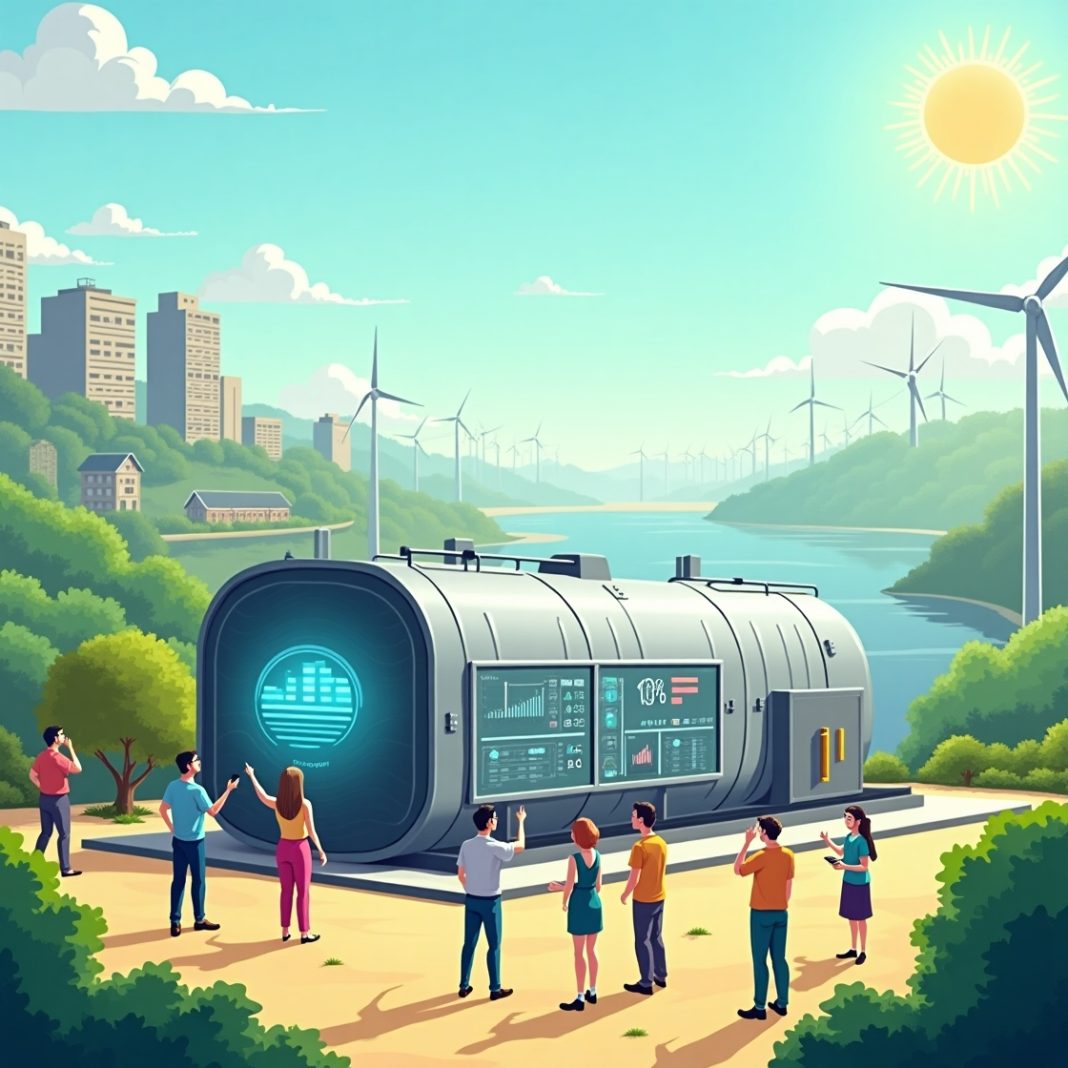


Introduction: Why Sand Might Power Our Future
Imagine storing clean energy inside something as simple and abundant as sand. It sounds futuristic, but sand batteries are becoming a practical solution for renewable energy storage. As the world shifts to solar and wind power, the need for reliable and affordable storage is growing fast—and sand could be the answer.
What Is a Sand Battery?
A sand battery is an energy storage system that uses ordinary sand to store excess renewable energy as heat. Instead of relying on expensive lithium or rare minerals, sand provides a low-cost and sustainable option.
Here’s the basic idea:
- Electricity from solar or wind is converted into heat.
- The heat is stored in a large container filled with sand.
- That heat can later be used to generate power or provide heating for homes and industries.
How Do Sand Batteries Work?
Sand batteries work on a simple principle: thermal storage.
- Renewable energy is converted into hot air.
- The hot air is pumped into a sand-filled silo or container.
- The sand can reach temperatures over 500°C and store heat for months.
- When needed, the stored heat is released to warm buildings or produce electricity.
This makes sand batteries especially useful for district heating systems and industries needing steady energy.
Why Sand Batteries Matter
Unlike traditional batteries, sand batteries solve several big challenges in energy storage:
- Affordable: Sand is cheap and widely available.
- Scalable: Systems can be built from small town-level to industrial scale.
- Durable: They can store heat for months with minimal energy loss.
- Sustainable: No rare-earth mining or toxic materials are needed.
Real-World Example: Finland’s Sand Battery Project
In 2022, Finland installed the world’s first commercial sand battery. It stores renewable energy and releases it as heat during the cold winter months. This project proved that sand batteries can work at scale, helping communities rely less on fossil fuels.
Sand Batteries vs. Lithium-Ion Batteries
| Feature | Sand Batteries | Lithium-Ion Batteries |
|---|---|---|
| Cost | Very low (sand is cheap) | High (rare metals needed) |
| Storage Duration | Months | Hours to days |
| Use Case | Heating, large-scale storage | Electronics, EVs, short-term storage |
| Environmental Impact | Minimal | Mining and disposal challenges |
Challenges and Limitations
While promising, sand batteries aren’t perfect:
- They mainly store heat, not direct electricity.
- Large infrastructure is needed for installation.
- Still in early adoption stages outside of Europe.
However, as technology improves, we may see hybrid systems combining sand batteries with other storage methods.
The Future of Energy Storage with Sand
Sand batteries could become a cornerstone of affordable, renewable energy storage worldwide. They won’t replace lithium-ion for cars or phones, but they can revolutionize heating systems, grid stability, and industrial energy use.
As more countries test this technology, the cost will drop, and adoption will grow.
Conclusion: A Simple Material With Huge Potential
Sand batteries might sound simple, but they could reshape how we store renewable energy. By turning sand into a giant heat reservoir, we can reduce reliance on fossil fuels and move toward a more sustainable future.
Call-to-Action: If you’re excited about the future of clean energy, keep an eye on sand battery innovations—they might soon power your city.
Related Reading
- 10 Game-Changing Smart Devices Making Homes Smarter This Year.
- From Hubs to Robots: Inside the Future of Smart Homes in 2025.
- Sand vs. Lithium: Which Battery Technology Wins on Cost and Efficiency?
FAQs About Sand Batteries
Q1: Can sand batteries power homes directly?
Not yet. They are best for heating systems and large-scale storage, but future versions may support electricity generation.
Q2: How long can sand store energy?
Sand can retain heat for months with very little loss.
Q3: Are sand batteries eco-friendly?
Yes, they use abundant natural materials and produce no toxic waste.