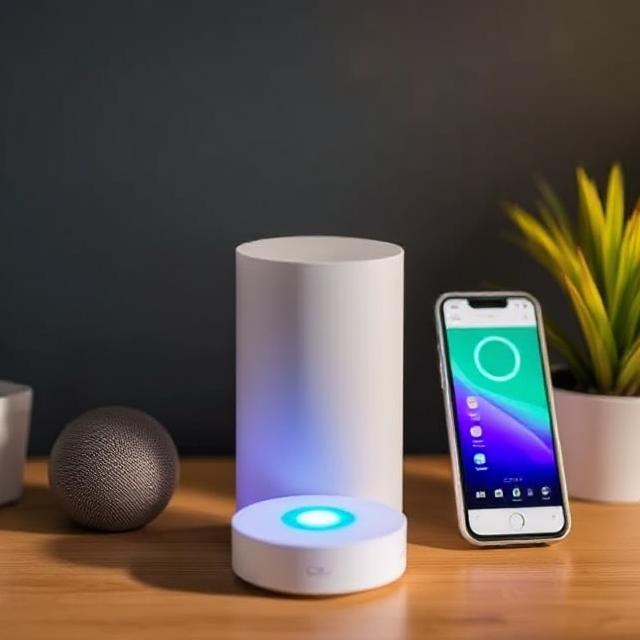


Introduction: A New Era of Living Spaces
In 2025, smart homes are no longer just futuristic concepts—they’re a reality. From central AI hubs that manage entire households to robotic helpers that clean, cook, and even monitor security, technology is transforming the way we live.
This year marks a turning point where smart devices move from convenience to necessity. Let’s take a closer look at how hubs, robots, and connected gadgets are shaping smarter living in 2025.
Smart Hubs: The Command Centers of the Home
At the core of every smart home is a hub—a device that connects everything together.
- Amazon Echo Hub and Google Nest Hub Max now act as personal AI managers.
- They learn daily routines, automate lighting and climate, and provide proactive reminders.
- Many hubs integrate with Matter, ensuring compatibility across brands.
Example: A hub can detect you’re away and automatically lower the thermostat, lock the doors, and activate security cameras.
AI-Enhanced Security Systems
Security has moved beyond traditional locks and alarms.
- Arlo Gen 5 cameras provide 4K monitoring with facial recognition.
- Ring Pro+ can send real-time alerts and integrate with smart door locks.
- Some systems even test drone-assisted patrols, though still emerging.
This combination ensures peace of mind whether you’re home or traveling.
Robotic Helpers for Everyday Tasks
Robots are no longer limited to vacuuming. In 2025, they’ve expanded their skill sets.
- Roomba J9+ and Roborock S9 Max use AI mapping for efficient cleaning.
- Robotic mops now handle multiple surfaces with self-cleaning tanks.
- Early prototypes of kitchen robots can chop, stir, and assist with cooking.
Case Study: A Tokyo apartment complex deployed robotic cleaners, reducing cleaning staff time by 40%.
Smarter Kitchens for Healthier Living
The kitchen has become one of the most connected spaces.
- LG ThinQ fridges track groceries and suggest meals.
- Samsung AI ovens recommend cooking settings and monitor food with cameras.
- Some appliances even connect with nutrition apps for healthier eating.
Imagine your fridge suggesting a recipe, preheating the oven, and syncing with your smartwatch to track calories.
Wellness Gadgets: Living Healthier at Home
Health-focused devices are on the rise in 2025.
- Smart mirrors monitor vitals like heart rate and skin hydration.
- Air quality sensors adjust purifiers automatically.
- Smart wearables sync with hubs to provide holistic health insights.
These tools are turning homes into wellness centers.
Energy Efficiency and Sustainability
Sustainability is a driving force behind smart tech.
- Smart thermostats like Ecobee reduce heating/cooling waste.
- Smart plugs track energy usage for each appliance.
- Solar-powered devices are becoming common in new smart homes.
Homeowners are saving up to 20% annually on utility bills with AI-driven energy optimization.
The Future: Integrated, Predictive, and Human-Centered
Smart homes in 2025 go beyond automation—they anticipate needs.
- AI assistants suggest actions before you ask.
- Devices across different brands communicate seamlessly.
- Robotics and AI create homes that feel more personalized than ever.
The ultimate goal isn’t just convenience—it’s creating spaces that enhance security, health, and sustainability.
Conclusion: The Home of Tomorrow, Today
From intelligent hubs to autonomous robots, smart homes in 2025 are reshaping how we live. These innovations go beyond cool gadgets—they’re about making homes more secure, sustainable, and supportive of our lifestyles.
If you haven’t started your smart home journey, now is the perfect time. Even one device—like a hub or thermostat—can transform daily living into something smarter and more efficient.
Related Reading
- Why TinyWow AI is the ultimate productivity hack for PDFs and images.
- From Tools to Intelligence: How AI Is Transforming the Role of Technology in 2025.
- AI vs Technology Explained: What Sets Them Apart and How They Work Together
FAQs
1. What’s the most essential smart home gadget in 2025?
A smart hub is the foundation, as it connects and manages all other devices.
2. Are robot assistants practical or still experimental?
Vacuum and mop robots are mainstream, while kitchen robots are emerging but improving fast.
3. How do smart homes save money?
Energy-optimized thermostats, plugs, and lighting can cut bills by 10–20% annually.
4. Are smart gadgets compatible across ecosystems?
Yes, thanks to Matter, many 2025 devices now work across Alexa, Google, and Apple systems.
5. What’s next after smart homes?
The next phase is predictive living—where homes anticipate needs and act before you even ask.