

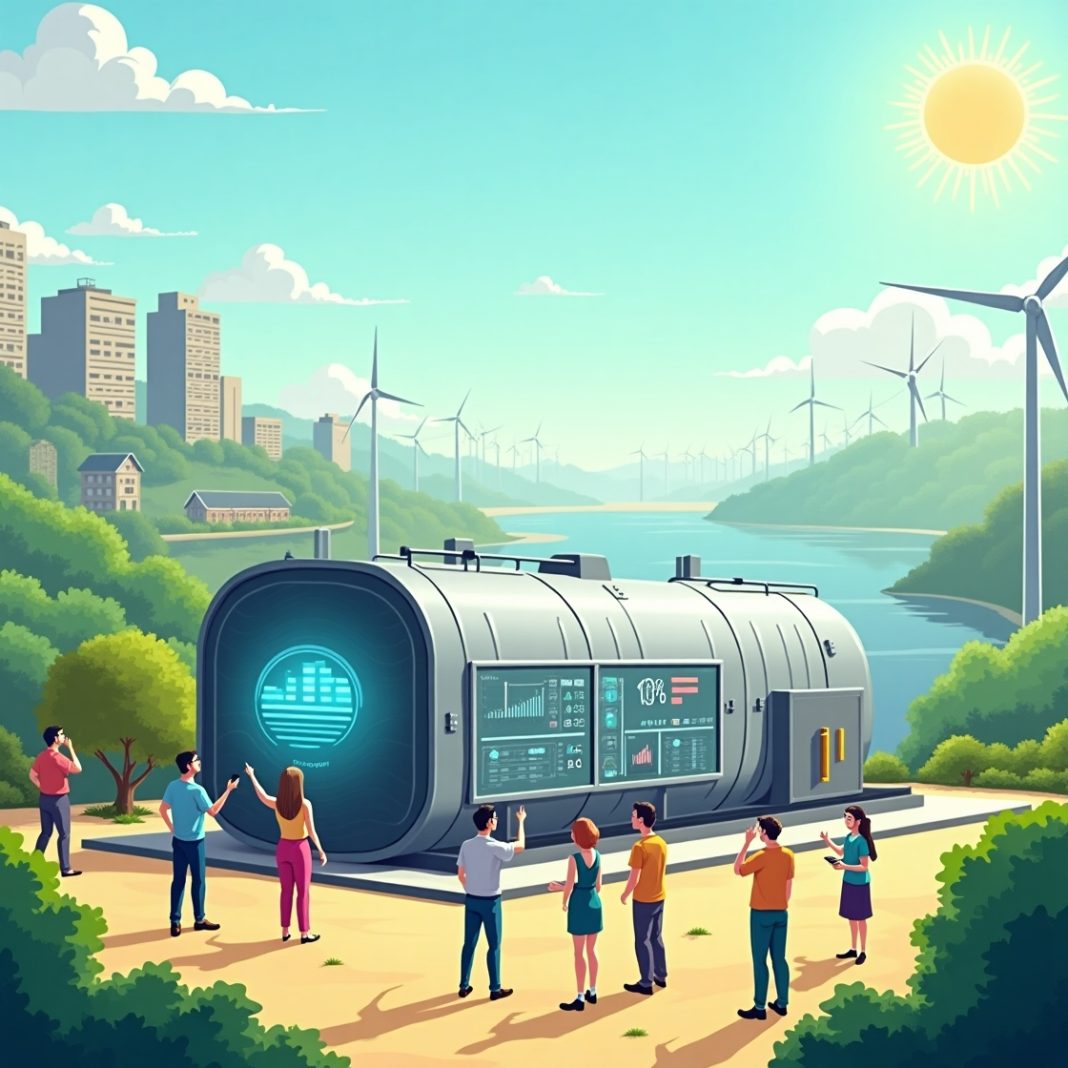

Introduction: Why Sand Batteries Are Gaining Attention
As the world races toward renewable energy, one challenge remains—affordable and reliable storage. Solar and wind power generate electricity when nature allows, but what happens when the sun isn’t shining or the wind isn’t blowing?
That’s where sand battery systems come in. By turning ordinary sand into a thermal storage powerhouse, they might be the game-changer we need in 2025.
What Are Sand Battery Systems?
A sand battery system stores excess renewable energy as heat in a large volume of sand. Instead of relying on expensive lithium-ion batteries, this method uses cheap, abundant, and eco-friendly materials.
- How it works:
- Electricity heats the sand to over 500°C.
- The sand retains this heat for months.
- Energy is released later as heat or electricity.
This simple but powerful design makes sand batteries highly scalable.
Why Sand Batteries Could Power the Future
Unlike lithium-ion or other chemical batteries, sand battery systems offer unique advantages:
- Low-cost material: Sand is cheap and widely available.
- Long-term storage: Can hold energy for months with minimal losses.
- Eco-friendly: No rare earth metals or toxic waste.
- Scalable: Works for small communities or entire cities.
In a world aiming for net-zero carbon emissions, these benefits make sand batteries highly attractive.
Real-World Examples in Action
One of the most talked-about projects is in Finland, where Polar Night Energy developed a 100 kW sand battery connected to the local grid.
- It heats sand to 500–600°C.
- Supplies district heating to nearby homes.
- Stores energy for months without major loss.
This real-world use proves that sand batteries aren’t just theory—they’re practical and scalable.
Sand Batteries vs. Traditional Energy Storage
How do sand batteries compare to lithium-ion or hydrogen storage?
| Feature | Sand Batteries | Lithium-Ion | Hydrogen Storage |
|---|---|---|---|
| Cost | Low | High | Medium |
| Eco-Friendliness | Very High | Moderate | High |
| Storage Duration | Months | Hours–Days | Weeks |
| Scalability | High | Medium | High |
Clearly, sand battery systems excel in long-term, cost-effective storage, making them a strong contender for sustainable energy solutions in 2025.
Challenges to Overcome
While promising, sand battery systems face hurdles:
- Conversion efficiency is still improving.
- Limited awareness and adoption worldwide.
- Need for infrastructure to integrate with existing power grids.
If these challenges are addressed, their future looks bright.
Conclusion: The Future of Sustainable Power
In 2025, sand battery systems could emerge as a cornerstone of renewable energy storage. By providing affordable, eco-friendly, and long-lasting solutions, they have the potential to transform how we store and use clean energy.
As nations push toward sustainability, sand batteries may not just be an innovation—they could be the key to a renewable-powered future.
Related Reading
- The Economics of Sand Batteries: Why Utilities Are Taking Notice
- From Sand to Heat: How Finland Is Reimagining Energy Storage.
- Sand vs. Lithium: Which Battery Technology Wins on Cost and Efficiency?
FAQs About Sand Battery Systems
1. Can sand batteries replace lithium-ion batteries?
Not entirely. Lithium-ion is better for short-term, high-power needs, while sand batteries excel at long-term storage.
2. Are sand batteries safe?
Yes. They use non-toxic, natural sand, making them far safer than chemical batteries.
3. How much energy can they store?
It depends on the system size. Some prototypes already store enough energy to power small towns.


