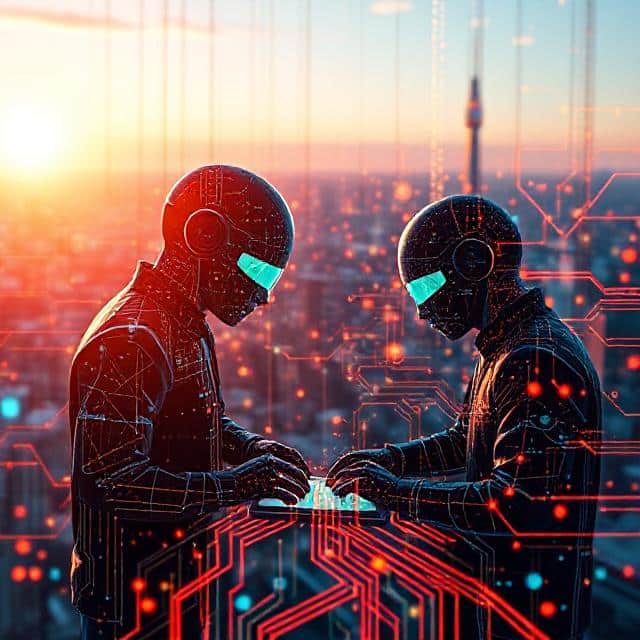

AI Is Both a Threat and a Shield
Artificial Intelligence is transforming cybersecurity. On one hand, it powers predictive defense tools that detect and respond to threats in real-time. On the other, attackers are using AI to automate phishing, deepfakes, and malware.
Strategy:
Deploy AI-powered security platforms that leverage behavioral analytics and anomaly detection. Combine automation with human oversight to reduce false positives and boost response speed.
Cloud Environments Expand the Attack Surface
The global shift to cloud computing has revolutionized business operations—but also introduced new vulnerabilities. Misconfigurations, insecure APIs, and weak identity management expose sensitive data.
Strategy:
Adopt a shared responsibility model with cloud providers. Use encryption, multi-factor authentication, and cloud-native security tools. Conduct regular audits and enforce strict access policies.
Quantum Computing Threatens Encryption
Quantum technology, while still maturing, poses a major threat to today’s encryption standards. Once quantum systems advance enough, they could break traditional cryptographic keys used in data protection.
Strategy:
Start transitioning to quantum-resistant cryptographic algorithms. Monitor developments from NIST and other global bodies working on post-quantum cryptography standards.
The Need for Real-Time Cyber Resilience
Cyber defense in 2025 is not just about prevention—it’s about resilience. Organizations must detect, respond to, and recover from attacks faster than ever.
Strategy:
Implement Security Operations Centers (SOCs) with real-time monitoring. Use extended detection and response (XDR) systems, incident response playbooks, and continuous employee training.
Collaboration Is Critical
In an interconnected world, threats often affect multiple sectors or countries. No organization can defend alone.
Strategy:
Join information-sharing networks, collaborate with governments and tech vendors, and participate in threat intelligence platforms.
Conclusion
The convergence of AI, cloud computing, and quantum technology is rewriting the rules of cybersecurity. To stay ahead of increasingly intelligent and complex threats, organizations must modernize their cyber defense strategies now—with proactive tools, smart policies, and global collaboration.
Related Reading.
- From Flat to Fold: Why Galaxy Z Fold 6 Redefines Premium Smartphones.
- From AI Threats to Zero Trust: The New Cybersecurity Landscape
- Global Cybersecurity in 2025: Threats Rising, Defenses Evolving
FAQs
1. How does AI help in cyber defense?
AI detects abnormal behavior, automates threat response, and reduces the time needed to identify breaches.
2. Is the cloud more vulnerable to attacks?
Not inherently, but misconfigurations and poor access controls make cloud systems frequent targets.
3. When will quantum computing impact cybersecurity?
Quantum threats are still emerging but could become serious in the next 5–10 years. Preparations should begin now.
4. What is post-quantum cryptography?
It refers to encryption methods designed to withstand attacks from quantum computers.
5. Why is collaboration important in cyber defense?
Because modern threats move fast and globally—shared intelligence helps detect and mitigate attacks more efficiently.