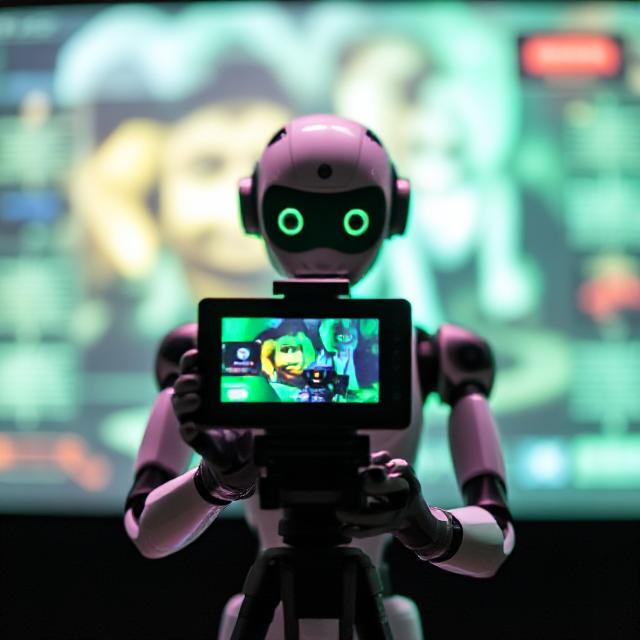

In 2025, artificial intelligence is not just a supporting tool—it is the backbone of successful video marketing. With smarter automation, personalized experiences, and data-driven decisions, AI is transforming how brands create, distribute, and optimize video content.
AI-Powered Personalization Is Driving Viewer Engagement
AI algorithms can now analyze user behavior in real-time to deliver personalized video content. From dynamic intros to targeted product mentions, brands are creating unique experiences for every viewer, increasing watch time and conversions.
Automated Video Creation and Editing Saves Time
AI tools like Pictory, Lumen5, and Runway ML automate the entire video production process. With features like auto-scripting, smart trimming, and voiceover generation, marketers can produce professional-quality videos within minutes—no editing skills needed.
Predictive Analytics Enhance Video Strategy
Using AI, marketers can now predict which types of videos will perform best by analyzing past engagement metrics. This helps in planning better campaigns, choosing effective formats, and knowing exactly when and where to post.
AI-Driven A/B Testing Improves ROI
AI automatically tests multiple video versions with different thumbnails, titles, and durations. It selects the best-performing version and continues optimization in real-time, ensuring maximum return on investment without guesswork.
Real-Time Video Optimization Boosts Campaign Performance
Modern AI tools monitor live audience interactions like skips, replays, and pauses. Based on this data, the video content is edited or adjusted in real-time to keep viewers engaged and reduce drop-off rates.
Voice and Language AI Expands Global Reach
AI-powered translation and voice cloning make it easier for brands to localize videos into different languages. This allows businesses to reach international markets without the cost of multiple recordings or subtitles.
AI in Video Ads Enhances Targeting and Delivery
With the help of AI, video ads are now shown to the right audience based on detailed data like interests, location, and behavior. The content even adjusts automatically depending on who is watching, making ads more effective.
Emotion Recognition Adds a Human Touch
Advanced AI can analyze viewer emotions through facial expressions and tone of voice. This data helps marketers fine-tune content messaging for stronger emotional impact and deeper audience connection.
Interactive AI-Powered Videos Are on the Rise
AI enables the creation of interactive videos where viewers can click, choose, or speak to navigate content. These videos are especially powerful for e-commerce, training, and customer service.
Synthetic Media and AI Avatars Reduce Production Costs
Platforms like Synthesia allow businesses to create video content using AI avatars and scripts—no actors, cameras, or studios required. This makes content production cheaper, faster, and scalable.
Conclusion
AI is revolutionizing the entire video marketing landscape in 2025. From personalized content to predictive planning, AI offers tools that save time, increase engagement, and improve results. For brands looking to stay competitive, embracing these AI trends is no longer optional—it’s essential.
Related Reading.
- How to Earn Daily from AI Product Affiliates.
- Affiliate Marketing with AI: Best Platforms to Join Now.
- How to Start an AI-Powered Online Business in 2025.
FAQs
1. How is AI used in video marketing today?
AI is used for content automation, audience targeting, personalization, and analytics to make marketing videos more effective and efficient.
2. Can AI actually improve video ad performance?
Yes, AI optimizes ad delivery, tests different versions, and improves viewer engagement, which increases ROI.
3. Are AI-generated videos effective for brand building?
Absolutely. AI helps create consistent, high-quality videos that strengthen brand presence across platforms.
4. What is predictive video marketing?
It involves using AI to forecast which video content will perform well based on past data and user behavior.
5. Which industries are benefiting most from AI in video marketing?
E-commerce, education, tech, and healthcare industries are leading in adopting AI-driven video strategies.
6. Are AI tools suitable for small businesses?
Yes, many AI video tools are affordable and easy to use, making them ideal for startups and small teams.
7. What’s the future of interactive AI videos?
Interactive videos powered by AI will allow users to control content flow, leading to deeper engagement and personalization.
8. Is synthetic media replacing traditional video production?
It complements traditional production by reducing cost and time, though both still have value depending on the use case.
9. How does emotion recognition help in video marketing?
It provides real-time feedback on how viewers feel, helping marketers adjust tone and visuals for stronger impact.
10. Can AI edit and publish videos automatically?
Yes, advanced AI platforms can handle editing, subtitling, branding, and scheduling with minimal manual effort.