The Rise of Machine Customers
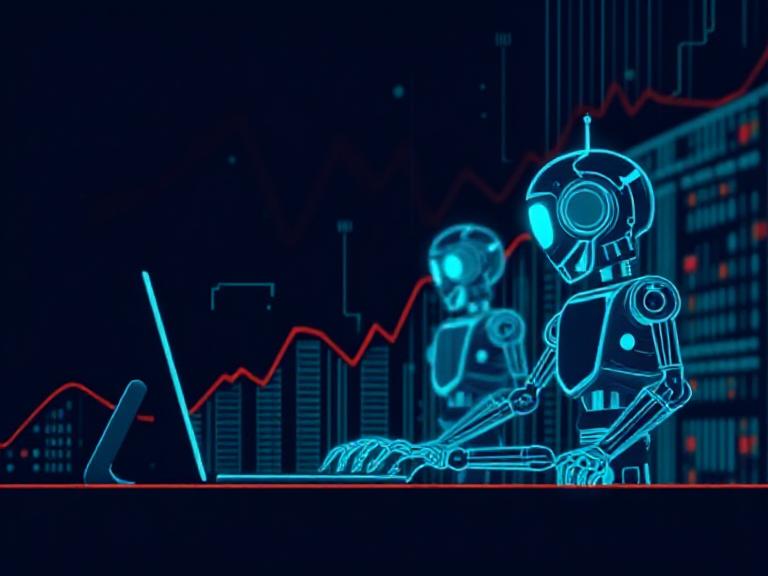
The way we shop is changing—and so is the shopper. Increasingly, the “customer” isn’t a person at all but an AI-powered system making purchases independently. These machine customers are disrupting the traditional buyer-seller relationship, introducing a new era where algorithms hold the wallet and make the decisions.
What Is a Machine Customer?
A machine customer is any AI-driven system or device capable of independently making purchasing decisions. Think of smart appliances reordering supplies, AI agents managing cloud services, or industrial bots restocking components in real time. These customers don’t shop emotionally—they operate on logic, data, and automation.
Why Businesses Must Rethink Commerce
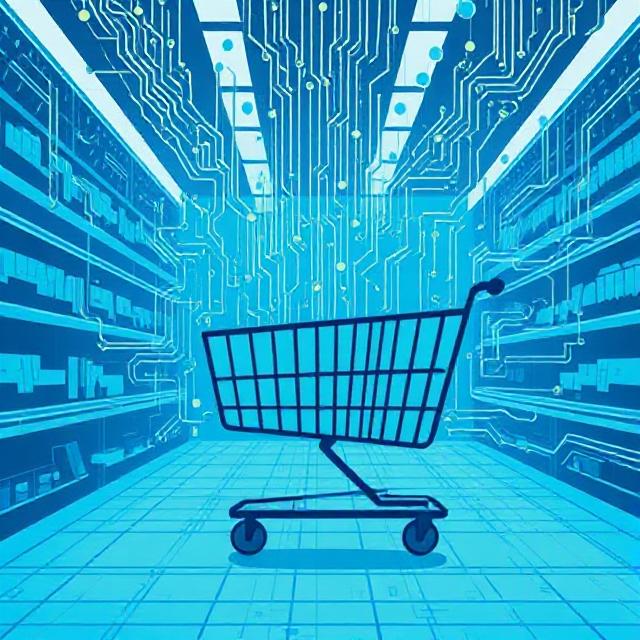
Machine customers demand a radically different sales strategy. Emotional branding and traditional marketing won’t sway them. Instead, businesses must ensure product data is machine-readable, APIs are accessible, and platforms are optimized for algorithmic interaction. Commerce is becoming a machine-to-machine conversation.
Intelligent Procurement at Scale
In enterprise environments, machine customers streamline procurement. They eliminate human delays, reduce error rates, and enable predictive purchasing based on usage patterns. This leads to lower costs and tighter supply chains—benefiting efficiency but also heightening competition for algorithmic visibility.
Redefining the Customer Experience
Serving a machine customer means rethinking user experience—not for eyes or emotions, but for code. Product catalogs must be structured for parsing, recommendations must be real-time, and fulfillment systems must match bot-speed demand. Speed, transparency, and logic rule this new economy.
The Human Role Isn’t Gone—Just Different
Humans are shifting from shoppers to overseers. They define AI preferences, review automated decisions, and intervene in edge cases. Our role is evolving from buyer to AI manager, as we train and fine-tune the agents that will act on our behalf.
Conclusion
The machine customer revolution is already underway. Businesses that embrace this shift and retool for AI-powered buyers will lead the future of commerce. Those that cling to outdated human-centric models risk becoming invisible in a machine-optimized market.
Related Reading.
- Cyber Defense in the Age of AI, Cloud, and Quantum Tech.
- How AI-Powered Devices Are Changing the Rules of Consumerism.
- Machine Customers Explained: The Next Frontier in Digital Commerce.
FAQs
- What is a machine customer?
A machine customer is an AI-powered system or device that can make autonomous purchasing decisions, often on behalf of a human or organization. - How are machine customers changing e-commerce?
They bypass traditional shopping paths, prioritize data over branding, and interact through APIs and automation rather than websites or ads. - Are humans still involved in the shopping process?
Yes, humans guide, monitor, and adjust machine preferences—but the actual purchasing can be fully automated. - Which companies are leading in machine customer integration?
Amazon, Microsoft, and enterprise SaaS providers are enabling smart procurement, while smart home platforms like Google Nest and Samsung SmartThings support household automation. - What challenges do machine customers pose to businesses?
Businesses must optimize for machine readability, ensure real-time availability, and rethink marketing, data formats, and supply chain responsiveness.