Introduction
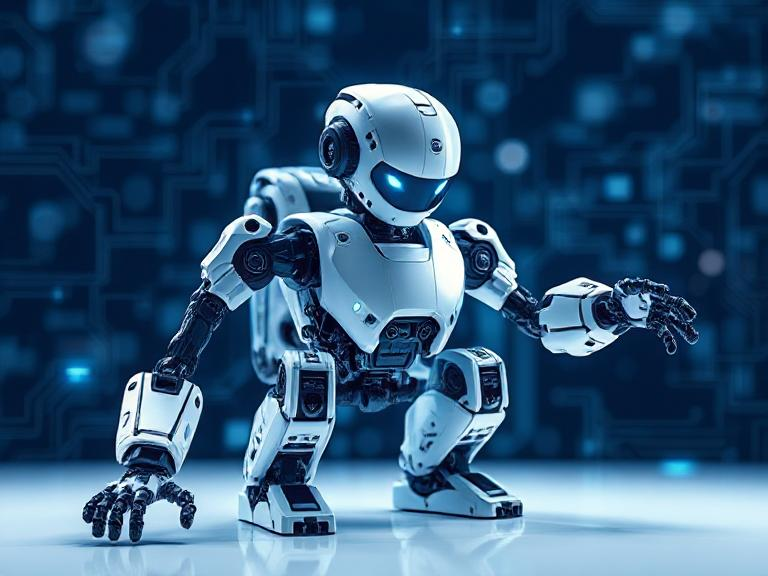
The seamless integration of humans and machines is transforming industries by bridging the physical and digital worlds. This concept, known as human-machine synergy, enhances productivity, decision-making, and automation by combining human intuition, creativity, and adaptability with AI-driven intelligence, robotics, and digital systems.
From healthcare and manufacturing to smart cities and artificial intelligence, human-machine collaboration is reshaping how we work, live, and interact with technology. In this article, we explore how human-machine synergy works, its key technologies, applications, benefits, and future potential.
What is Human-Machine Synergy?
Human-machine synergy is the collaborative connection between humans and modern technology that allows them to work together efficiently. Unlike traditional automation, which replaces human effort, this collaboration improves human capacities through digital and robotic intelligence.
Key components of human-machine synergy are:
- Artificial intelligence (AI) – AI-powered algorithms help humans with data processing, decision making, and automation.
- Augmented and virtual reality (AR/VR) improves human perception and interaction with digital settings.
- Robotics and Automation – Smart robots that collaborate with humans in the industrial and service industries.
- The Internet of Things (IoT) connects physical devices to digital networks to provide real-time insights.
- Brain-Computer Interfaces (BCI) enable direct connection between the human brain and digital technologies.
How Human-Machine Synergy Works
Human Augmentation
- Wearable technologies, exoskeletons, and neural interfaces improve both physical and cognitive capacities.
- AI-powered technologies help make real-time decisions for difficult activities.
Collaborative Robotics (Cobots)
- Robots collaborate with people in industry, healthcare, and logistics.
- Adaptive AI systems enable robots to respond to human behavior.
AI-Driven Decision Support
- AI crunches massive amounts of data and provides insights to human operators.
- Finance, healthcare diagnostics, and business analytics all make use of this.
Digital Twins & Virtual Simulations
- Digital representations of physical objects aid in real-time monitoring and optimization.
- This technology is used in smart cities, industrial automation, and predictive maintenance.
Brain-Computer Interfaces (BCIs)
- Allows for direct interaction between the brain and machines.
- Used in medical rehabilitation, artificial intelligence prosthetics, and neurotechnology.
Applications of Human-Machine Synergy
Healthcare & Medical Technology
- AI-assisted diagnostics improves disease identification and treatment plans.
- Surgical robots (such as the Da Vinci Surgical System) improve the precision of medical treatments.
- Wearable health devices track vital signs and offer real-time health monitoring.
Smart Manufacturing & Industry 4.0
- Cobots assist workers on assembly lines by reducing tiredness and increasing efficiency.
- AI-powered predictive maintenance prevents equipment failures.
- IoT-driven automation enhances supply chain processes.
Augmented Reality in Training & Education
- AR/VR simulations improve learning in medical, military, and technical training.
- AI-powered tutors customize learning experiences based on student behavior.
Autonomous Vehicles & Smart Transportation
- AI-powered self-driving cars maximize traffic flow and road safety.
- Human-machine collaboration in aviation helps pilots with AI-powered copilots.
Smart Cities & Urban Development
- AI-powered traffic management, energy distribution, and emergency response systems.
- Connected IoT sensors enhance municipal planning and infrastructure.
Space Exploration & Defense
- AI-powered robotic aides support astronauts on space missions.
- Autonomous drones and AI-powered security systems improve military operations.
Benefits of Human-Machine Synergy
| Feature | Impact |
|---|---|
| Enhanced Efficiency | AI and automation reduce workload and improve output. |
| Improved Safety | Robots and AI take over hazardous tasks. |
| Smarter Decision-Making | AI-powered analytics assist human decision-making. |
| Greater Accessibility | Assistive technologies improve life for people with disabilities. |
| Innovation & Creativity | Human creativity combined with AI insights drives innovation. |
Future of Human-Machine Synergy
AI-Powered Digital Assistants
- AI-powered virtual assistants will grow more intuitive and humanlike.
- Enhanced natural language processing (NLP) will allow for seamless human-machine interaction.
Brain-Computer Interfaces (BCI) Advancements
- Neural implants will enable direct connection between the brain and machinery.
- Potential uses include healthcare, AI-powered prosthetics, and augmented intelligence.
Ethical AI & Governance
- Ethics and rules will become increasingly important as AI systems achieve autonomy.
- Focus on human-centered AI that is consistent with human values and safety.
Fully Integrated Smart Environments
- AI-powered smart homes, companies, and cities will improve everyday living.
- Humans, artificial intelligence, and IoT-connected gadgets communicate seamlessly.
Conclusion
Human-machine synergy is the key to a future in which technology complements rather than replaces human ability. By combining AI, robots, IoT, and brain-computer interfaces, we are advancing toward a society in which machines supplement human intelligence, creativity, and adaptability.
As the digital and physical worlds converge, industries will become more efficient, sustainable, and innovative, ushering in a smarter, more connected future.