


Introduction
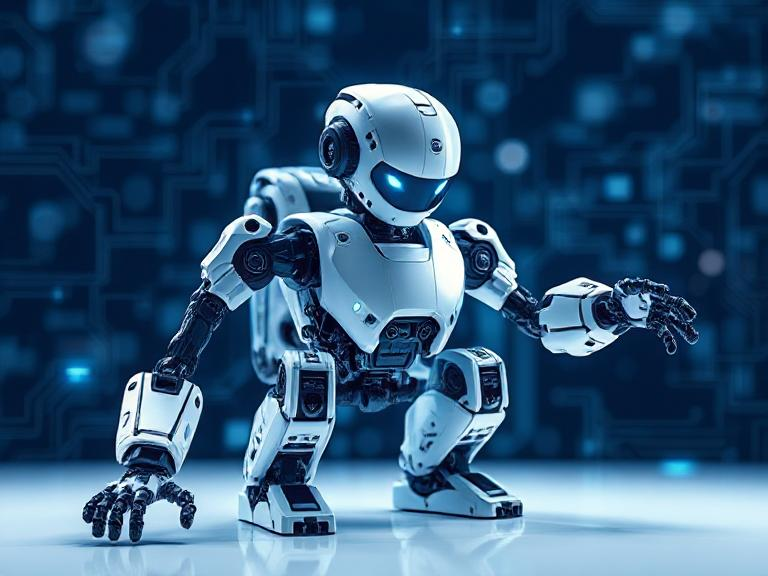
Advanced robotics is transforming industries by merging artificial intelligence (AI), machine learning, and automation to produce intelligent, self-driving systems. From manufacturing and healthcare to logistics and space exploration, robotics improves efficiency, precision, and safety.
This article discusses advanced robotics, including major technology, uses, benefits, and future trends that will shape the next era of automation.
What is Advanced Robotics?
Advanced robotics refers to highly intelligent, autonomous, and adaptable robotic systems that can do complicated tasks with minimum human interaction. These robots integrate:
- AI and Machine Learning enable robots to learn, adapt, and improve over time.
- Computer vision enables robots to recognize things, maneuver, and interact with their surroundings.
- Sensor fusion is the process of combining data from several sensors to make more precise decisions.
- Human-Robot Interaction (HRI) – Improving collaboration between robots and people.
Unlike typical robots, which obey pre-programmed instructions, advanced robots learn from experience, assess real-time data, and make their own decisions.
Key Technologies in Advanced Robotics
Artificial Intelligence & Machine Learning
- AI-powered robots can evaluate data, identify patterns, and improve performance.
- Machine learning allows robots to adapt to new settings and increase productivity.
Computer Vision & Object Recognition
- Robots employ image recognition, LiDAR, and depth sensors to navigate and detect objects.
- AI-powered vision enables robots to conduct quality inspections and automate processes.
Collaborative Robotics (Cobots)
- Cobots work alongside humans in industries, warehouses, and hospitals.
- They provide safe, precise, and adaptive automation in industrial environments.
Autonomous Navigation & Mobility
- Self-driving robots use simultaneous localization and mapping (SLAM) to navigate.
- Drones, self-driving cars, and delivery robots all rely on AI mobility solutions.
Soft Robotics & Bio-Inspired Design
- Soft robots mimic biological movements, allowing them to manipulate delicate things.
- Used in medical, prostheses, and search and rescue missions.
Applications of Advanced Robotics
Manufacturing & Industrial Automation
- Robotic assembly lines improve speed, precision, and safety.
- AI-powered robots perform quality checking, welding, painting, and packaging.
- Smart factories use IoT and robotics to optimize processes in real time.
Healthcare & Medical Robotics
- Surgical robots (e.g., the Da Vinci Surgical System) aid in minimally invasive procedures.
- Exoskeletons can help patients regain mobility.
- AI-powered diagnostics improve patient care through robotic testing.
Logistics & Warehousing
- Autonomous mobile robots (AMRs) improve inventory management and fulfilment.
- Automated guided vehicles (AGVs) move items effectively through warehouses.
- Drone deliveries improve final mile logistics.
Agriculture & Precision Farming
- AI-powered agricultural robots improve planting, watering, and harvesting.
- Drones monitor crops and detect diseases in their early stages.
- Automated tractors boost productivity and lower labor costs.
Space Exploration & Defense
- NASA’s perseverance Rover employs artificial intelligence to navigate Mars.
- Humanoid robots support astronauts on space missions.
- Military robotics enable better surveillance, search-and-rescue, and defense missions.
Benefits of Advanced Robotics
| Feature | Impact |
|---|---|
| Increased Efficiency | Robots optimize production and reduce errors. |
| Improved Safety | Reduces human exposure to hazardous environments. |
| Cost Savings | Minimizes labor costs and operational expenses. |
| Scalability | Robotics solutions scale easily for growing industries. |
| 24/7 Operations | Robots work continuously without breaks. |
Future Trends in Advanced Robotics
AI-Driven Autonomous Robots
- Robots will become increasingly autonomous, lessening the need for human control.
- AI-powered robots will self-diagnose problems and improve workflows.
Human-Robot Collaboration
- Future workplaces will have robots that collaborate with humans.
- Voice-activated and gesture-controlled robots will improve the user experience.
Swarm Robotics & Collective AI
- Swarm intelligence will enable robots to collaborate in the same way that bees and ants do.
- Disaster response, environmental monitoring, and logistics are all potential applications.
Robotics-as-a-Service (RaaS)
- Businesses will employ pay-per-use robotic systems to increase flexibility.
- RaaS will allow small enterprises to harness automation without incurring significant upfront costs.
Conclusion
Advanced robotics is transforming industries through AI-powered automation, real-time learning, and improved collaboration. Intelligent robots make processes safer, faster, and more efficient in industries ranging from manufacturing and healthcare to space exploration.
As AI, computer vision, and automation technologies advance, robots will become increasingly autonomous, adaptive, and integrated into daily life. The future of sophisticated robotics promises a smarter, more efficient world in which people and robots collaborate.


