


Introduction
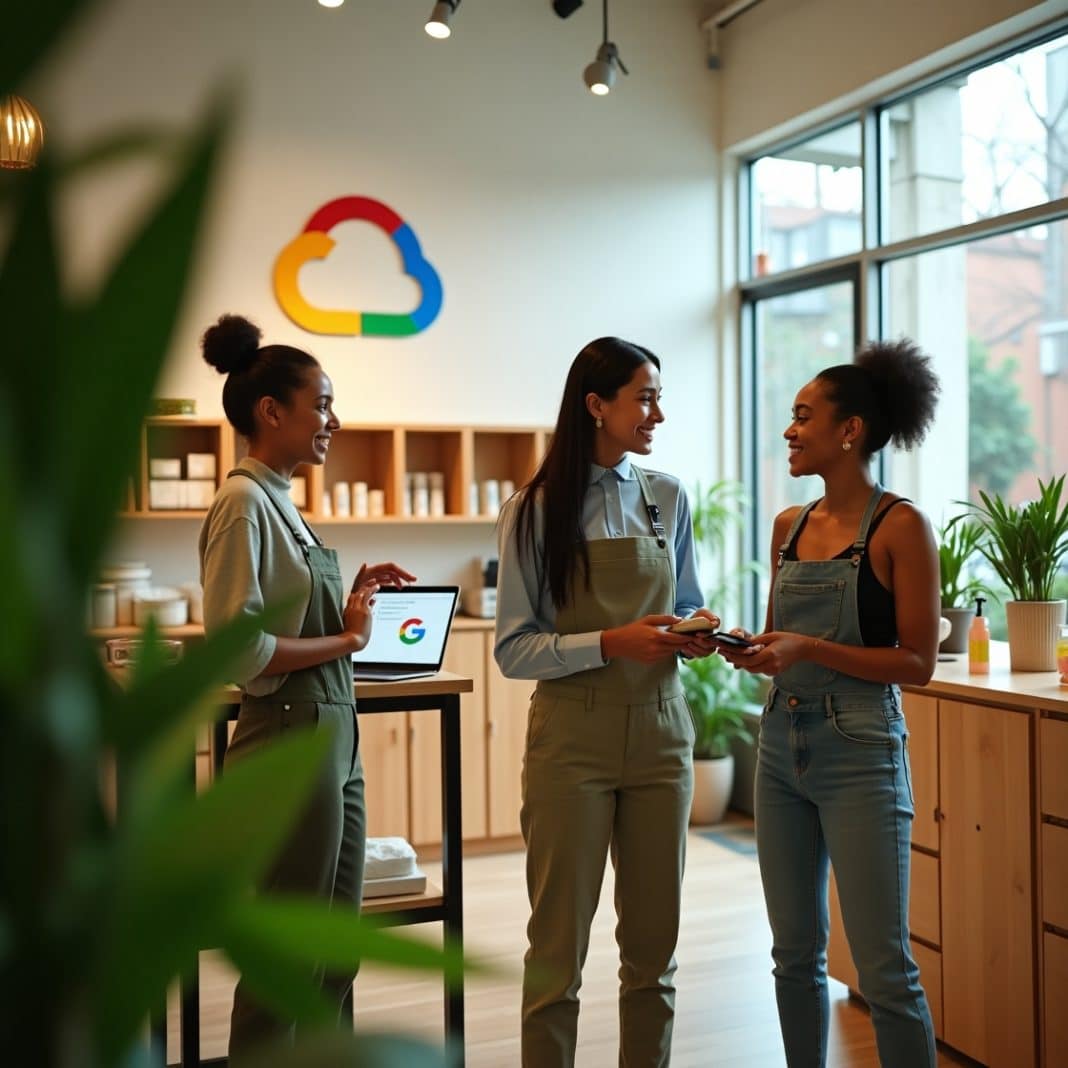
Lush, a pioneer in ethical cosmetics, is leading a smart revolution in sustainable retail. By eliminating traditional packaging and replacing it with an AI-powered experience, Lush is redefining how beauty products are sold and consumed. With support from Google Cloud AI, the brand has introduced a smart, digital system that aligns perfectly with its core value of environmental responsibility.
Why Packaging-Free Beauty Matters
The beauty industry generates significant plastic and paper waste through product packaging. Lush has always promoted “naked” or packaging-free products, but without labels, customers often lacked key product information. This created a unique challenge—how to inform customers while sticking to zero-waste principles.
Launch of the Lush Lens App
Lush solved this problem with the Lush Lens, a computer vision feature in its mobile app. Shoppers can now scan any unpackaged product with their smartphones and instantly view its ingredients, directions, usage videos, and ethical sourcing details. No paper. No plastic. Just smart, AI-powered convenience.
Powered by Google Cloud AI
The success of this system lies in its intelligent infrastructure. Lush partnered with Google Cloud to build and deploy the AI models behind the Lush Lens. Using TensorFlow and Google’s Cloud ML tools, the app can identify and differentiate hundreds of products with remarkable precision—achieving a 98% accuracy rate.
End-to-End Technical Architecture
The AI workflow includes image storage in Google Cloud Storage, training via ML Engine, and evaluation using BigQuery. Models are then optimized with TensorFlow Lite to ensure smooth performance on mobile devices. This pipeline is fully automated, allowing quick updates whenever new products are introduced.
Global Reach with Multilingual Support
The Lush Lens is available in 19 languages, enabling consistent user experience worldwide. Whether a customer is in Paris, Dubai, or New York, they can interact with Lush’s smart system without relying on printed instructions or staff explanations.
Benefits for the Planet and the People
By replacing labels and packaging, Lush has drastically cut down on its paper and plastic waste. More than 2 million product scans have taken place since the app launched. Shoppers now receive a personalized, immersive experience while contributing to a more sustainable planet.
Addressing Potential Limitations
Although the tech offers numerous benefits, user reliance on mobile devices in-store may present a hurdle for some. To increase adoption, Lush may consider offering in-store tablets or offline functionality for remote locations. Still, the long-term environmental savings outweigh these short-term challenges.
Conclusion
Lush’s smart packaging-free revolution is a shining example of how technology and ethics can work together. By leveraging Google Cloud AI, the company has successfully created an innovative, sustainable, and user-friendly retail model. It’s not just a beauty brand—it’s a blueprint for the future of eco-conscious commerce.
Related Reading
- Lush Goes Green: AI-Powered Shopping Without Labels or Packaging.
- How Lush Uses Google Cloud AI to Eliminate Packaging in Cosmetics.
- How to Control and Maintain Non-Human Identities Efficiently.
FAQs
1. What is the Lush Lens and how does it work?
The Lush Lens is an app feature that scans unpackaged products and displays product info using AI and image recognition.
2. How does this system support sustainability?
It removes the need for packaging and printed labels, reducing both plastic and paper waste significantly.
3. What technology supports the Lush Lens?
It is built on Google Cloud AI, TensorFlow, Cloud Storage, ML Engine, BigQuery, and TensorFlow Lite.
4. Is the system accurate and fast?
Yes, the AI model has over 98% accuracy and is optimized for fast performance on smartphones.
5. Can customers use this feature globally?
Absolutely. Lush Lens supports 19 languages and works across global retail locations.


