
Introduction
Wearable technology is continuously changing, with devices getting smaller, smarter, and more fashionable than ever. From smartwatches and fitness trackers to AR glasses and smart rings, the latest inventions are reshaping how we engage with technology, monitor our health, and increase productivity.
Wearable gadgets are evolving beyond basic activity tracking to include real-time health monitoring, augmented reality experiences, and seamless connectivity as AI, IoT, and biometric sensors progress. This essay looks at how wearables are getting more streamlined, powerful, and vital in everyday life.
The Evolution of Wearable Technology
The evolution of wearables began with simple step counts and digital watches. Today we have:
- Smartwatches feature fitness, notifications, and mobile payments in a sleek style.
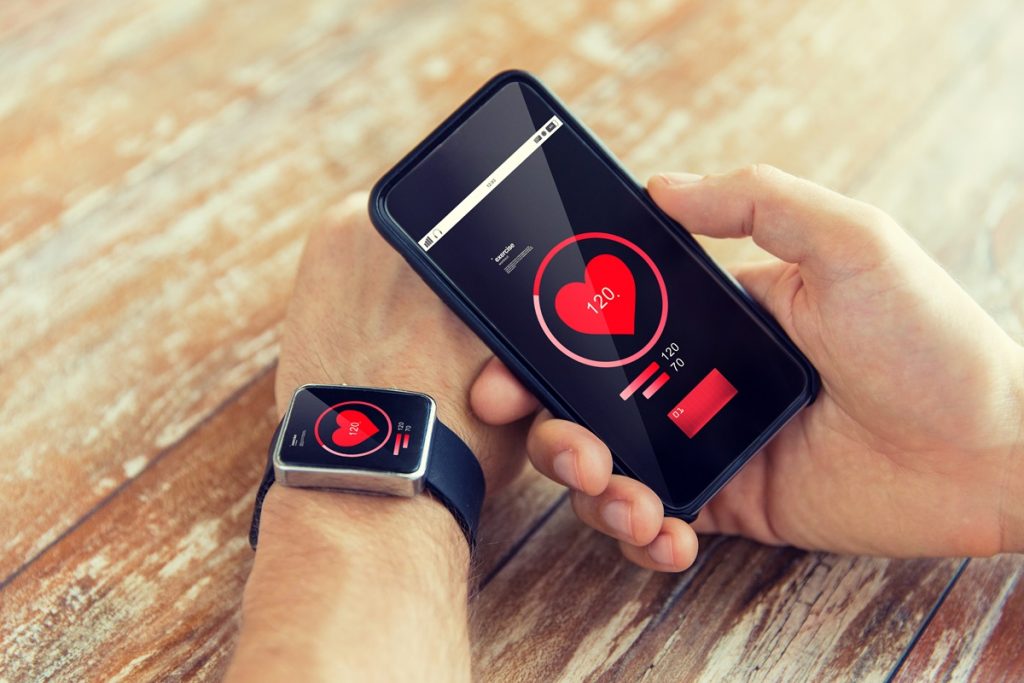
- Fitness trackers include heart rate monitoring, sleep analysis, and stress tracking.
- Smart Glasses enable augmented reality experiences and hands-free productivity.
- Smart Rings – Stylish and compact health tracking device.
- Wearable ECG and blood pressure monitors provide medical-grade health insights on the move.
Wearables have become smarter, more comfortable, and seamlessly integrated into daily life thanks to improved AI algorithms, longer battery life, and lightweight materials.
Key Innovations in Wearable Technology
AI-Powered Health Monitoring
- ECG and Blood Oxygen Monitoring detect abnormal heartbeats and oxygen levels.
- Non-invasive Glucose Monitoring is a game changer for diabetics (coming soon!).
- AI Health Coaching offers personalized fitness and wellness assistance.
AR & VR Wearables
- Smart Glasses with Augmented Reality – Interactive overlays for work and leisure.
- VR headsets for immersive gaming and training are revolutionizing the metaverse and education .
- Mixed Reality for Enterprise – Assisting with engineering, design, and remote work.
Fashion Meets Function
- Smart Rings are discreet wearables that track sleep and exercise.
- Connected Smart Clothing: Shoes and coats that track posture, movement, and temperature.
- Hearables (AI-Powered Earbuds) provide adaptive noise cancellation and real-time language translation.
AI & IoT Integration
- Wearables Smart Home Integration: Control lighting, appliances, and security using voice or gesture commands.
- Neural Interfaces – Brainwave monitoring for mental health and focus.
- Standalone Smartwatches: Make calls and utilize applications without a phone.
Sustainable & Longer Battery Life
- Solar-Powered and Kinetic Energy Wearables – Charge your electronics using motion and sunlight.
- Eco-Friendly Materials: Sustainable and recyclable components for greener wearables.
- AI Battery Optimization – Increased usage time through smarter power management.
The Impact of Smart Wearables on Daily Life
- Health & Fitness: Monitor heart health, stress levels, and sleep cycles in real-time.
- Productivity and Connectivity – Receive calls, messages, and calendar reminders.
- Use smartwatches for contactless payments.
- Entertainment and Augmented Reality Experiences – Access engaging entertainment from anywhere.
- Smart Travel and Navigation – AR glasses that guide you without interruptions.
Challenges & Future Trends
- Privacy and Data Security: safeguarding user data from cyber risks.
- Battery Life – The need for wearables that last longer and charge faster.
- Affordability: High-tech wearables remain expensive.
- Sustainability entails a shift towards biodegradable and recyclable clothing.
Future trends include brain-computer interfaces, AI-powered health diagnostics, and 6G-enabled wearables enabling real-time worldwide networking.
Conclusion
Wearable devices are no longer just accessories; they are critical health monitors, fitness trainers, productivity boosters, and intelligent lifestyle companions. Wearables, with their AI-driven breakthroughs and futuristic designs, are poised to alter the way we live, work, and engage with technology.
Are you prepared for the next generation of sleeker, smarter wearables?