

Introduction
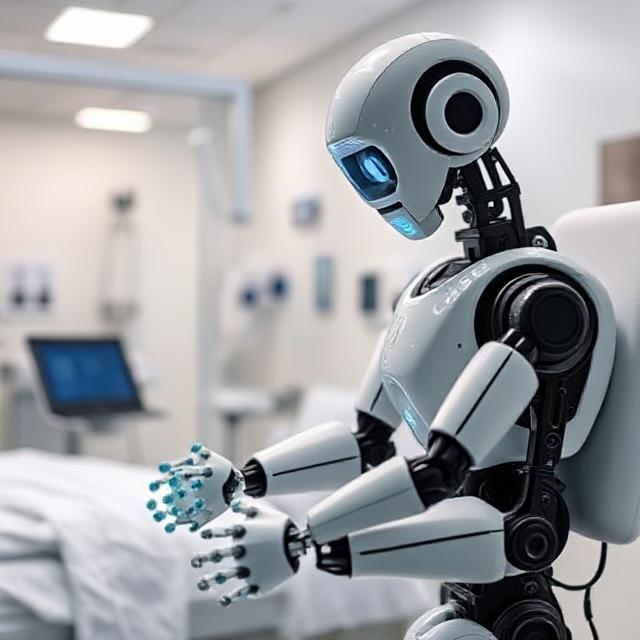
The healthcare industry is undergoing a digital revolution, and at the heart of this transformation are polyfunctional robots. These advanced machines are designed to perform multiple medical and logistical tasks, improving efficiency, precision, and patient outcomes. From surgery and diagnostics to elderly care and sanitation, polyfunctional robots are reshaping how healthcare is delivered.
What Are Polyfunctional Robots?
Polyfunctional robots are versatile machines equipped with artificial intelligence (AI), machine learning, and sensor technologies that allow them to handle diverse tasks in dynamic healthcare environments. Unlike single-task robots, they are designed to assist across departments and functions.
Key Roles of Polyfunctional Robots in Healthcare
1. Surgical Assistance
Robots like the da Vinci Surgical System enhance surgeons’ capabilities by offering ultra-precise control during minimally invasive procedures. These robots reduce human error, shorten recovery times, and improve surgical outcomes.
2. Patient Monitoring
Robots equipped with sensors and AI can continuously monitor vital signs, detect anomalies in real-time, and alert medical staff—especially beneficial in ICUs or remote patient settings.
3. Medication Management
Robotic systems now help with dispensing, sorting, and delivering medications, reducing human error and ensuring timely treatment.
4. Sanitation & Infection Control
Autonomous robots using UV light or disinfectant sprays are used to sterilize rooms and surgical tools, minimizing infection risk in high-traffic areas.
5. Elderly & Rehabilitation Care
Robots assist elderly patients with mobility, routine reminders, and even social interaction. In rehab settings, robotic exoskeletons help patients regain mobility and motor functions.
6. Administrative & Logistical Support
Delivery robots transport supplies, lab samples, and documentation, reducing the burden on healthcare staff and increasing operational efficiency.
Benefits of Polyfunctional Robots
- Improved Patient Safety
- Reduced Healthcare Costs
- Faster Diagnosis and Recovery
- Enhanced Staff Productivity
- 24/7 Operational Support
Challenges and Ethical Considerations
Despite their benefits, robots in healthcare also raise concerns:
- High Implementation Costs
- Data Privacy & Cybersecurity
- Job Displacement for Low-Skill Workers
- Ethical Dilemmas in AI-Driven Decisions
Hospitals must address these concerns with robust planning, staff training, and ethical AI governance.
Conclusion
Polyfunctional robots represent a powerful shift toward smarter, more efficient, and more compassionate healthcare. By integrating robotics into everyday operations—from surgeries to elder care—health systems can achieve higher accuracy, reduce workloads, and ultimately improve patient outcomes. The future of healthcare is not just human—it’s human-plus-machine.
Reading Related.
- Polyfunctional Robots in Healthcare: Transforming Patient Care and Efficiency
- Why Intelligent Applications Are the Heart of Digital Transformation
- The Future of Mobile Apps: Intelligence, Personalization, and Real-Time AI
FAQs
Q1: What is a polyfunctional robot?
A polyfunctional robot performs multiple healthcare tasks, such as surgery, monitoring, sanitation, and logistics, using AI and robotics.
Q2: Are robots replacing doctors and nurses?
No. Robots assist professionals, enhance efficiency, and handle routine or dangerous tasks, allowing staff to focus on patient care.
Q3: Is robotic surgery safe?
Yes. When operated by trained professionals, robotic-assisted surgery is often safer and more precise than traditional methods.
Q4: Can robots help in elderly care?
Yes. Robots can aid with mobility, medication reminders, and social interaction, improving quality of life for elderly patients.
Q5: What are the risks of using robots in healthcare?
Risks include high costs, data security issues, and the potential for reduced human interaction if not balanced correctly.