
Introduction
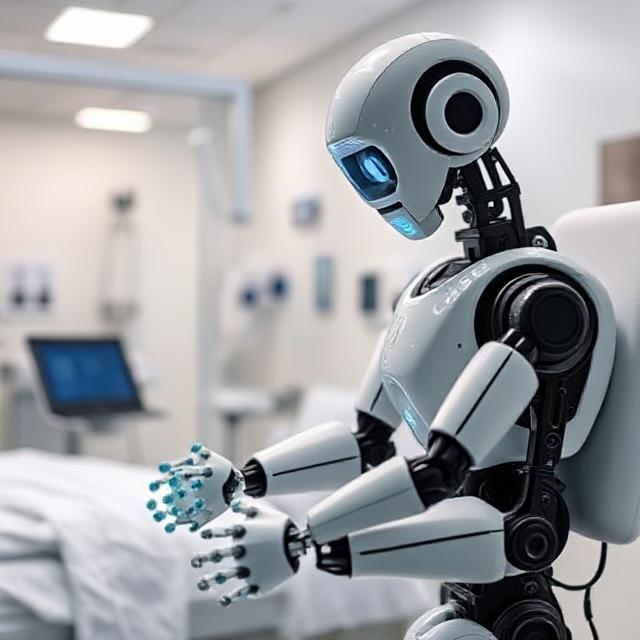
As medical demands grow globally, healthcare systems are under pressure to deliver faster, safer, and more efficient care. Enter polyfunctional robots—advanced, multi-tasking machines that are transforming everything from surgery to hospital logistics. These robots are not just tools; they are redefining how modern medicine operates.
What Are Polyfunctional Robots?
Polyfunctional robots are intelligent machines designed to perform multiple tasks across different medical domains. Powered by AI, sensors, and automation, they seamlessly shift between functions like surgery assistance, patient care, sterilization, and administrative logistics.
Core Applications of Polyfunctional Robots in Healthcare
1. Surgical Precision and Assistance
Robots assist surgeons in delicate procedures with millimeter precision, reducing the risk of human error and post-operative complications. Minimally invasive robotic surgery leads to faster healing and shorter hospital stays.
2. Real-Time Patient Monitoring
These robots continuously monitor patients’ vitals and alert clinicians to abnormalities. They enable proactive treatment, especially in ICUs and elder care.
3. Medication and Supply Delivery
Polyfunctional robots navigate hospital corridors to deliver medications, specimens, and supplies—freeing up valuable time for medical staff.
4. Disinfection and Sanitation
Autonomous robots equipped with UV light or chemical disinfectants are used to sterilize rooms, reducing the spread of hospital-acquired infections.
5. Rehabilitation and Elderly Care
From assisting patients in walking to offering reminders for medication and appointments, robots help improve the quality of life for elderly and disabled patients.
6. Administrative Automation
Robots can handle routine documentation, scheduling, and billing tasks, streamlining hospital operations and reducing clerical errors.
Benefits of Polyfunctional Robots in Medicine
- Enhanced Care Quality
- Greater Operational Efficiency
- Reduced Infection Risk
- Improved Patient Monitoring
- Lower Human Error Rates
- Scalability in Resource-Limited Settings
Challenges to Adoption
While promising, implementation is not without obstacles:
- High Initial Costs
- Training Requirements
- Integration with Existing Systems
- Ethical and Privacy Concerns
- Resistance from Staff Unfamiliar with AI
Hospitals need strategic planning and policy support to adopt robotics effectively.
The Future of Polyfunctional Robotics in Healthcare
As robotics and AI evolve, expect even more personalized, autonomous, and responsive systems. In the near future, robots may perform entire diagnostic workflows, manage health data securely, and support telemedicine services—all from a central unit.
Conclusion
Polyfunctional robots are at the frontier of a new medical revolution. They’re not just assisting—they’re actively reshaping how care is delivered. By automating tasks, improving precision, and increasing healthcare system efficiency, these robots are becoming essential allies in modern medicine. Their integration is not a question of if, but when—and the time is now.
Related Reading.
- Polyfunctional Robots in Healthcare: Transforming Patient Care and Efficiency.
- The Future of Gaming: What to Expect from PlayStation VR3
- Enterprise Intelligence: How Businesses Leverage Smart Apps for Growth
FAQs
Q1: What makes a robot “polyfunctional”?
A polyfunctional robot can perform multiple tasks across surgical, logistical, and patient care roles—unlike single-use robots.
Q2: Are these robots already in use?
Yes. Hospitals globally are deploying them for surgeries, disinfection, and patient monitoring.
Q3: Do polyfunctional robots replace doctors?
No. They support healthcare professionals by automating repetitive and risky tasks, improving safety and efficiency.
Q4: How do they impact patient safety?
They reduce human error, monitor vitals continuously, and help prevent infections through precise, sterile procedures.
Q5: Are polyfunctional robots cost-effective?
Though costly upfront, they reduce long-term operational expenses by enhancing efficiency and lowering error rates.