

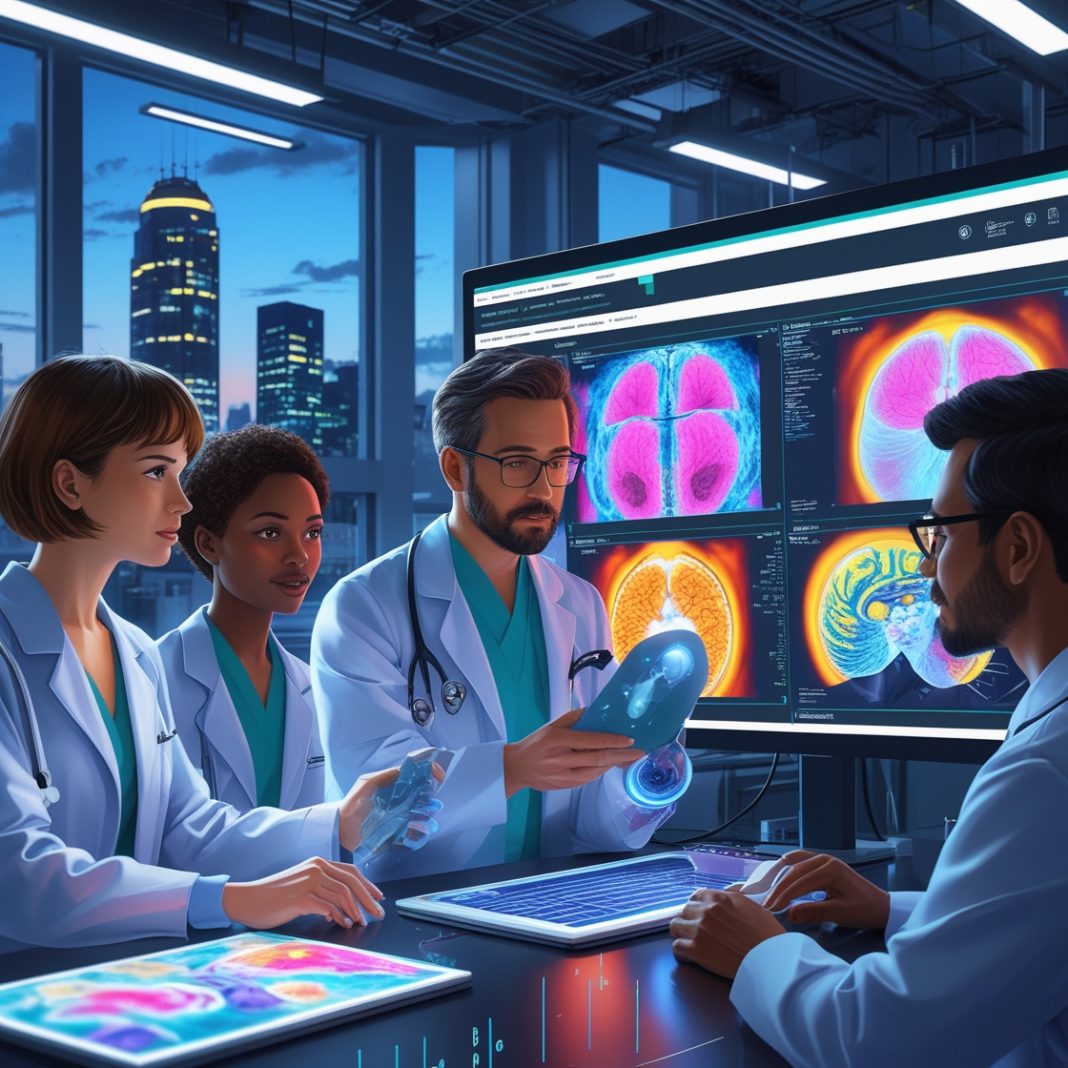

Introduction
Computer vision in medicine is changing how doctors diagnose and treat patients. This technology uses artificial intelligence to help machines understand and analyze images. It is already making a big difference in hospitals and clinics around the world. From reading X-rays to guiding surgery, computer vision is helping medical professionals work faster and more accurately.
What Is Computer Vision in Medicine?
Computer vision is a type of AI that allows machines to “see” and interpret visual information like photos, videos, or scans. In healthcare, this means the computer can look at medical images—like CT scans, MRIs, or X-rays—and detect signs of illness. It can find patterns or tiny changes in the image that a human eye might miss. This technology supports doctors by offering an extra set of trained eyes and helps reduce mistakes.
Smarter Medical Imaging
Medical imaging is one of the most important areas where computer vision is being used. AI-powered systems can scan and analyze thousands of images within minutes. For example, if a patient has a lung problem, the system can look at the chest X-ray and highlight areas that need a closer look.
This speeds up the diagnosis process. In busy hospitals, where doctors may see hundreds of patients, computer vision helps them focus on the most urgent cases. It is also useful in rural areas where there are fewer specialists. These tools allow non-specialist doctors to get quick, AI-supported results.
Assisting in Surgery
Computer vision is also changing the way surgeries are performed. In some advanced hospitals, AI helps guide surgeons by giving real-time visual feedback during operations. It can point out where to cut, where to avoid, or show the best path inside the body.
This improves safety, especially during complicated surgeries. It also works with robotic surgery systems, which allow doctors to perform delicate procedures using robotic arms. These systems use high-resolution cameras and computer vision to increase accuracy and reduce risks.
Remote Monitoring and Patient Care
Another benefit of computer vision is remote patient monitoring. This means using cameras and AI to watch over patients at home or in hospitals. For example, if a patient falls, the system can detect it and alert medical staff right away. It can also monitor changes in movement, breathing, or facial expressions to detect discomfort or pain.
This is very helpful for elderly patients, people recovering from surgery, or those with chronic diseases. It reduces the need for in-person visits and helps doctors act quickly in case of emergencies.
Early Detection of Rare Conditions
Some diseases are hard to diagnose because they don’t show clear symptoms. Computer vision tools can study thousands of images and health records to find rare patterns. These patterns can help doctors find diseases early, which makes treatment more effective.
For example, in eye care, AI systems can check retina images to detect signs of diabetic eye disease or even brain conditions. In skin care, computer vision can spot early signs of skin cancer by analyzing mole patterns.
Reducing Burden on Healthcare Workers
Computer vision also helps medical staff save time. Instead of spending hours looking at scans or writing reports, they can use AI tools to automate those tasks. This means nurses and doctors have more time for patients. It also helps reduce stress and lowers the risk of burnout among healthcare workers.
Challenges and Data Privacy
Even though computer vision is powerful, it comes with some challenges. One big issue is data privacy. Patient images and health records must be protected carefully. Hospitals need to make sure they follow laws and keep all patient information safe.
Another issue is accuracy. AI systems are only as good as the data they are trained on. If the training data is low quality or biased, the system might give wrong results. That’s why computer vision tools should always be used as a support—not as a replacement—for human doctors.
Conclusion
Computer vision in medicine is a major step forward in healthcare. It helps doctors diagnose faster, perform safer surgeries, and monitor patients better. While there are challenges to overcome, the benefits are clear. As the technology improves, it will continue to support doctors and improve patient care around the world.
Related Reading.
- How Platform Engineering Playbooks Help Build Developer Portals That Work.
- The Future Shopper Isn’t Human: Inside the Machine Customer Revolution
- The Future of Virtual Reality: What to Expect from PlayStation VR3
FAQs
1. What is computer vision in healthcare?
Computer vision in healthcare is a type of artificial intelligence that helps machines understand and analyze medical images like X-rays, MRIs, or videos. It supports doctors by detecting patterns and abnormalities that may be difficult to see with the human eye, helping in faster and more accurate diagnoses.
2. How does computer vision improve medical imaging?
It improves medical imaging by automatically scanning and analyzing large volumes of images in seconds. It can detect signs of diseases, highlight problem areas, and assist radiologists in making quicker and more reliable decisions, especially in emergency situations or remote locations.
3. Can computer vision help during surgery?
Yes, computer vision is used in modern surgeries to guide doctors in real-time. It helps show where to operate, avoid sensitive areas, and increases accuracy during complex procedures. It’s also used in robotic surgeries, where precise movements are needed.
4. Is computer vision used for remote patient monitoring?
Yes, computer vision is used in remote monitoring systems to watch patients at home or in hospitals. It can detect falls, changes in posture, breathing problems, or signs of pain. This allows for quick alerts to medical staff and helps in caring for patients who need constant observation.
5. What are the risks of using computer vision in medicine?
The main risks include incorrect results due to poor image quality or limited training data, and concerns about patient data privacy. That’s why it’s important for hospitals to use high-quality systems, keep patient information secure, and always have human doctors verify the AI’s findings.


