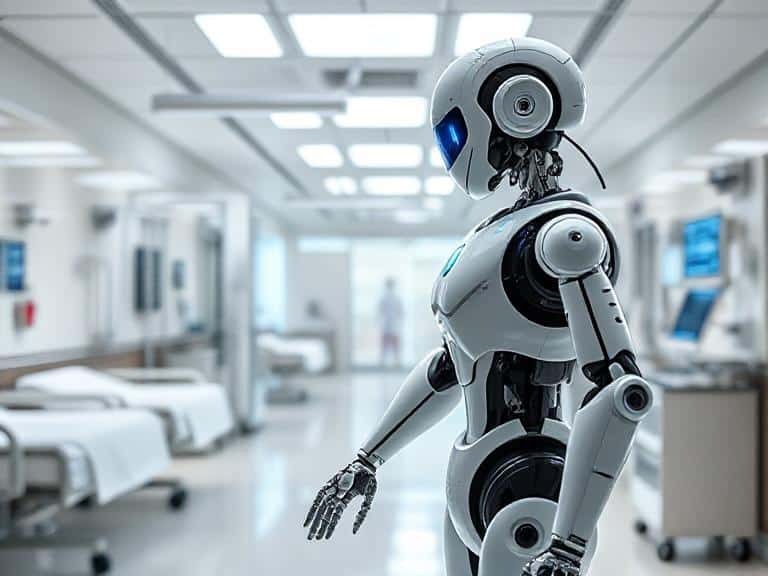

The healthcare industry is undergoing a historic transformation, and at the heart of this revolution are smart medical robots. In 2025, hospitals worldwide are adopting intelligent robotic systems to improve efficiency, accuracy, and patient outcomes. From operating rooms to rehabilitation wards, robots are taking on crucial roles that were once handled only by humans.
What Are Smart Medical Robots?
Smart medical robots are AI-powered machines designed to assist or perform medical tasks with minimal human intervention. These robots use sensors, real-time data, and machine learning algorithms to perform complex tasks such as:
- Performing precise surgical operations
- Delivering medication to patient rooms
- Sterilizing hospital environments
- Assisting in diagnostics and rehabilitation
Key Areas Where Robots Are Making a Difference
1. Surgical Precision
Robotic surgery systems like Da Vinci and ROSA allow for minimally invasive surgeries with enhanced precision. Surgeons control robotic arms through consoles, leading to reduced complications and quicker patient recovery times.
2. Hospital Logistics
Robots such as Moxi and TUG autonomously deliver medications, lab samples, and supplies across hospital floors. This reduces human workload and ensures timely delivery.
3. Disinfection & Sterilization
UV-light disinfection robots are widely used to clean patient rooms and surgical theaters, significantly reducing hospital-acquired infections (HAIs).
4. Diagnostics and Monitoring
AI-integrated robots are now capable of performing ultrasound scans, vital sign monitoring, and even collecting diagnostic samples with higher consistency.
5. Patient Assistance & Rehabilitation
Rehab robots help stroke and trauma patients regain movement through repetitive motion therapy. Companion robots also assist elderly patients with reminders and mental stimulation.
Benefits of Smart Medical Robots
- Improved accuracy and safety
- Reduced hospital staff workload
- Lower risk of infections
- Faster patient recovery
- 24/7 availability and efficiency
Challenges and Ethical Considerations
While the rise of medical robots brings many benefits, it also raises concerns:
- High initial costs
- Training and integration into hospital systems
- Data privacy and cybersecurity risks
- Ethical dilemmas in decision-making automation
Hospitals must address these issues through strict regulations, continuous staff training, and transparency in AI decision-making processes.
Conclusion
Smart medical robots are no longer futuristic concepts—they’re transforming hospitals today. In 2025, they are improving surgical outcomes, boosting efficiency, and allowing healthcare professionals to focus more on personalized patient care. As technology continues to advance, medical robots will become an essential part of healthcare infrastructure worldwide.
Related Reading.
- How Smart Medical Robots Are Taking Over Hospitals in 2025.
- Inside the AI-Powered Surgery Revolution: Robots Saving Lives.
- Smart Finance: How Intelligent Apps Are Changing Banking and Fintech
FAQs
Q1: Are smart medical robots safe to use in hospitals?
Yes, most smart robots are FDA-approved and undergo rigorous testing before being used in hospitals. They are designed to assist professionals, not replace them.
Q2: Can robots fully replace doctors or nurses?
No. Robots are tools that support medical staff by performing repetitive or high-precision tasks. Human expertise and empathy remain irreplaceable.
Q3: How much do these robots cost?
Depending on their function, medical robots can cost anywhere between $100,000 to over $2 million, including installation and training.
Q4: Are smart robots being used in developing countries?
Adoption is growing globally, though cost and infrastructure can limit access in lower-income regions. However, scalable robotic solutions are being developed to bridge this gap.