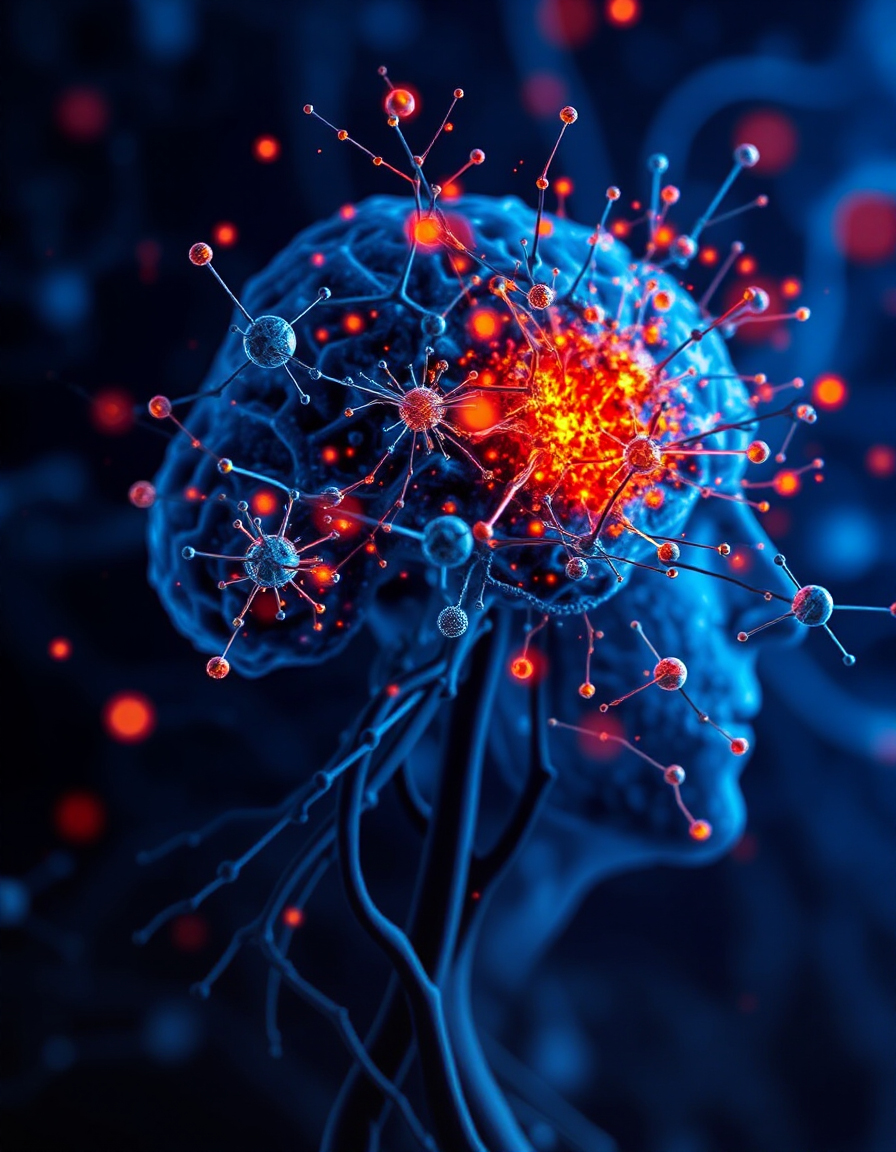


What Does It Mean to Map AI Thoughts?
Mapping AI thoughts means identifying the internal patterns, signals, and “features” that activate when a large language model like Claude processes information. These features represent abstract ideas, emotions, objects, or even behaviors, similar to how human brains form associations and reactions.
Claude’s Brain and Its Millions of Features
In 2025, researchers at Anthropic used advanced techniques like dictionary learning to explore Claude’s neural activations. They discovered millions of individual features—each corresponding to a unique concept, such as “fear,” “honesty,” “Alcatraz,” or “JavaScript.” These features form the building blocks of how Claude understands and responds to the world.
How Features Represent Meaning
Each feature in Claude acts like a mental shortcut. When a feature activates, it influences the output. For example, if Claude sees words related to a city, the “cityscape” feature activates and shapes its response. These features can overlap, combine, and build complex ideas, giving Claude its human-like language skills.
Real-Time Control of Claude’s Thinking
One of the most powerful outcomes of this research was the ability to modify Claude’s thinking in real time. By amplifying certain features, researchers could make Claude roleplay as a specific object or person. By suppressing safety-related features, it could bypass ethical boundaries—showing how deeply these patterns influence model behavior.
Semantic Clusters and Conceptual Organization
Claude’s internal architecture shows that related features group together. For example, “Golden Gate Bridge,” “Alcatraz,” and “San Francisco” activate in similar ways. This clustering mimics the way humans organize related ideas—suggesting that Claude may be developing something close to a conceptual map of the world.
Why This Research Matters in 2025
This work brings AI interpretability closer to reality. Until now, most AI models have been black boxes. Now, researchers can see inside Claude’s mind, understand how it reasons, and even intervene. It also helps identify risks, biases, and opportunities to improve AI behavior and alignment.
Conclusion
Mapping millions of thoughts inside Claude represents a major leap in understanding AI. It shows that even the most complex models can be decoded and guided. As this research advances, we move closer to safe, transparent, and human-aligned artificial intelligence.
Related Reading.
- How Anthropic Used Dictionary Learning to Decode Claude’s Mind.
- From Data to Decisions: The Real-World Impact of Deep Learning in 2025.
- iPhone 17 Pro: The Future of AI-Powered Smartphones Begins.
FAQs
1. What are AI “thoughts” in the context of Claude?
AI thoughts are internal neural activations or “features” that represent ideas, behaviors, or patterns the model has learned.
2. How did Anthropic map Claude’s features?
They used dictionary learning to identify millions of features inside Claude’s neural network, each tied to a specific concept or behavior.
3. Can these features be controlled or changed?
Yes, researchers can amplify or suppress features to change Claude’s behavior or personality in real time.
4. What do semantic clusters mean in Claude’s brain?
They are groups of related features that activate together, showing how Claude links similar ideas, just like humans do.
5. Why is this research important for the future of AI?
It helps make AI models more transparent, safe, and controllable—paving the way for responsible and human-aligned AI systems.