

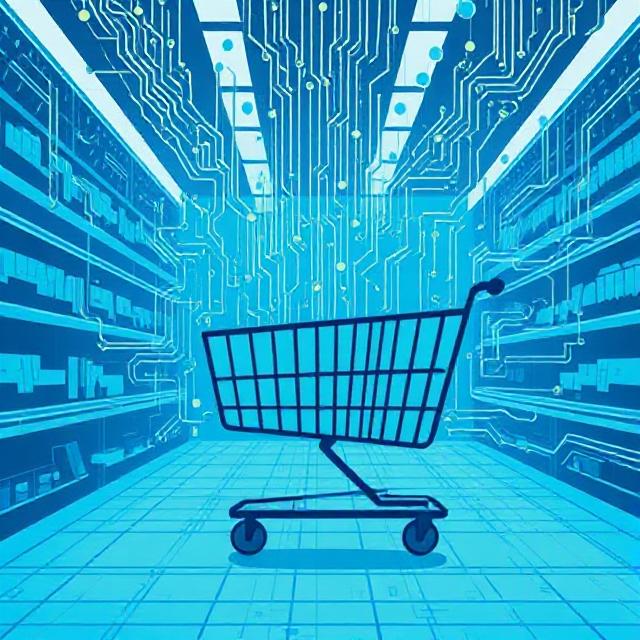

The Rise of Non-Human Buyers
Machine customers—algorithms, bots, and autonomous agents—are reshaping commerce. These non-human buyers are programmed to analyze, decide, and purchase on behalf of individuals or organizations. From automated restocking of inventory to digital assistants purchasing products for users, machines are evolving into primary decision-makers in B2B and B2C markets.
Why It Matters to Businesses
Unlike human consumers, machine customers are hyper-rational and data-driven. They prioritize logic over emotion, and speed over sentiment. Businesses must shift their strategies to cater to these algorithmic buyers—optimizing product listings, ensuring data compatibility, and focusing on structured, machine-readable content.
Characteristics of Non-Human Buyers
These AI-driven systems:
- Operate continuously and make purchases in real-time.
- Follow programmed criteria like price, performance, and availability.
- Are immune to traditional marketing tactics like branding or storytelling.
- Require clean, structured data for seamless integration with APIs and platforms.
Preparing Your Business for Machine Customers
To thrive in this new age, companies need to:
- Ensure product data is standardized and easily accessible.
- Offer transparent, API-based purchasing options.
- Implement AI-based pricing strategies to stay competitive.
- Track and analyze machine buyer behavior to refine offerings.
Risks and Challenges
Adapting to algorithmic buyers also brings challenges:
- Reduced customer loyalty due to logic-based purchasing.
- Heightened competition as machines favor price and efficiency.
- Increased pressure on supply chain responsiveness and real-time inventory data.
The Future of Machine Commerce
By 2030, analysts predict that machine customers will outnumber human ones in many sectors. Businesses that embrace this shift early—by integrating AI, automating customer interfaces, and investing in machine-readable systems—will lead the way in the coming digital commerce transformation.
Conclusion
The shopping landscape is evolving fast, with algorithms taking the driver’s seat. Businesses that want to stay relevant must understand how non-human buyers operate and restructure their strategies accordingly. From product data to pricing models, aligning with machine logic is the key to surviving and thriving in this new age of AI-driven commerce.
Related Reading.
- Bots With Buying Power: Preparing for a Machine-Driven Market.
- The Future Shopper Isn’t Human: Inside the Machine Customer Revolution.
- How AI-Powered Devices Are Changing the Rules of Consumerism.
FAQs
- What is a non-human buyer in commerce?
A non-human buyer is an AI or algorithm that makes purchasing decisions without human involvement. - Why are machine customers important for businesses?
They’re becoming primary decision-makers in both B2B and B2C transactions, especially due to speed and data efficiency. - How can a business prepare for algorithmic shoppers?
By standardizing product data, offering APIs, and optimizing for logic-driven decision criteria like pricing and availability. - What industries will be most impacted by non-human buyers?
E-commerce, logistics, manufacturing, healthcare, and retail are expected to see the biggest changes. - Do machine buyers replace human customers?
Not entirely—but they will dominate certain purchasing decisions, especially routine or data-driven ones.


