

Introduction
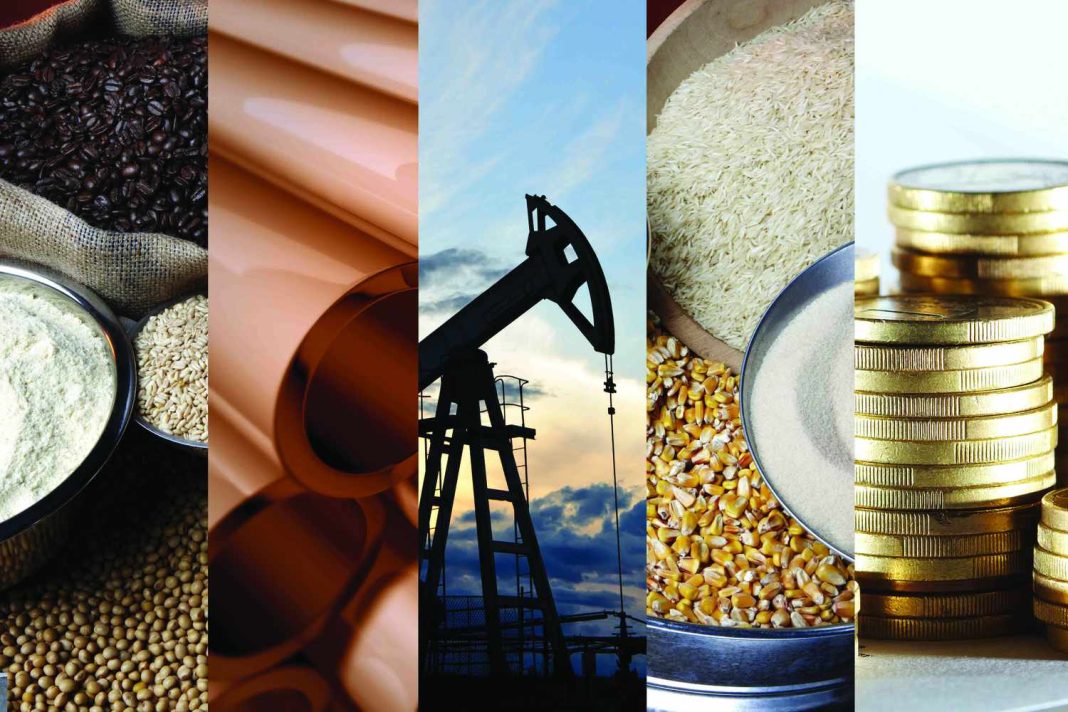
Commodities are vital products that drive economies, form markets, and serve as the foundation of daily life. Commodities, which include crude oil and natural gas as well as gold, wheat, and coffee, play an important role in global trade and investment.
This comprehensive article will explain what commodities are, how they are classified, how they are exchanged, and why they are vital to investors and the global economy.
What Are Commodities?
A commodity is a basic good used in trade that may be interchanged with other products of the same sort. Commodities are often raw materials or core agricultural goods that can be purchased and sold wholesale.
Commodities, unlike branded or created products, are standardized and exchanged based on quantity and quality, not brand or design.
Types of Commodities
Commodities are usually divided into two major types:
Hard Commodities
These are natural resources that have been mined or harvested. Examples include:
- Crude Oil
- Natural gas.
- Gold
- Silver
- Copper
- Iron Ore
Soft Commodities
These are agricultural commodities or livestock. Examples include:
- Wheat
- Corn
- Coffee
- Cotton
- Sugar
- Cattle and hog
How Are Commodities Traded?
Commodities are exchanged in two main ways:
Spot Markets
Where goods are purchased and sold with prompt delivery.
Futures Markets
Buyers and sellers agree on a price now for future delivery. Futures trade on exchanges such as:
- Chicago Mercantile Exchange
- The New York Mercantile Exchange (NYMEX
- The London Metal Exchange (LME
Traders use futures to hedge or speculate, whereas producers and consumers use them to control price risks.
Key Features of Commodity Markets
- Standardization entails ensuring consistent quality and quantity across contracts.
- Liquidity refers to the high trading volume of popular commodities such as oil and gold.
- Volatility – Prices can vary greatly due to supply-demand variables, geopolitical events, and meteorological conditions.
- Leverage – Futures trading enables investors to manage enormous positions with little cash.
Why Are Commodities Important?
Global Economic Indicator
- Commodities represent the state of the world economy. Rising oil demand, for example, can predict economic development.
Inflation Hedge
- Hard commodities, such as gold, are sometimes employed as a hedge against inflation and currency devaluation.
Portfolio Diversification
- Commodities frequently fluctuate independently of equities and bonds, making them an effective diversification tool.
Risk Management
- Businesses utilize commodities trading to lock in pricing and hedge against market changes.
Commodities vs Other Asset Classes
| Feature | Commodities | Stocks | Bonds |
|---|---|---|---|
| Tangible Asset | Yes | No | No |
| Inflation Protection | High | Moderate | Low |
| Income Generation | No (except yield futures) | Dividends | Interest |
| Volatility | High | Moderate to High | Low to Moderate |
Major Influences on Commodity Prices
- Supply and demand include crop yields, mining output, and worldwide consumption trends.
- Geopolitical tensions – War, sanctions, and trade disruptions all have an impact on supply chains.
- Weather and Climate – Natural disasters such as droughts and floods have an impact on agricultural goods.
- Currency strength is important since commodities are often priced in US dollars.
- Government policies such as subsidies, tariffs, and trade rules all have an impact on pricing and availability.
Popular Commodities for Investment
- During periods of economic instability, gold serves as a safe haven.
- Crude oil is essential to the transportation and energy sectors.
- Natural gas is becoming increasingly important as a source of clean energy.
- Wheat, soybeans, and coffee are popular among investors for both seasonal and geopolitical reasons.
Ways to Invest in Commodities
- Commodity ETFs (Exchange Traded Funds)
- Futures contracts are
- Mutual Funds that invest in commodities
- Physical Purchase (e.g., gold bullion)
- Shares in commodity companies (mining, oil, and gas firms)
Challenges of Commodity Investing
- High Volatility.
- Leverage risk in futures
- market dynamics are complex.
- Storage and Transportation of Physical Commodities
The Future of Commodity Markets
With the increase of green energy, technological innovation, and climate change awareness, the commodity market is changing. Demand is changing towards:
- Electric vehicles and batteries use lithium, cobalt, and rare earth metals.
- Carbon credit and sustainable agriculture.
- Digital commodities include tokenized assets and commodity-backed cryptocurrency.
Conclusion
Commodities are more than just things; they are key drivers of the global economy. Their function in propelling businesses and providing safe haven investments is evident. Commodities will continue to evolve as markets become more computerized and sustainability becomes a top issue, creating new opportunities for investors and enterprises.