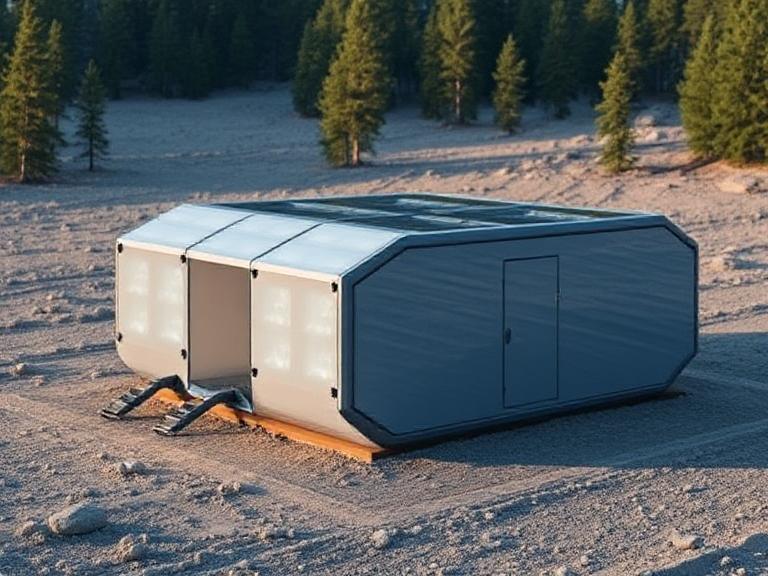

Finland has taken a bold step toward renewable energy innovation with the introduction of sand battery technology. This groundbreaking system, developed by Polar Night Energy, uses simple sand to store excess heat generated by solar or wind energy and release it when needed. As countries seek carbon-neutral solutions, Finland’s approach offers a scalable, low-cost, and sustainable path forward.
How the Sand Battery Works
At its core, the sand battery is a high-temperature thermal energy storage system. It involves a silo filled with sand heated to around 500–600°C using surplus electricity. The sand retains this thermal energy for months with minimal losses, making it ideal for seasonal energy storage. When heating is needed—especially during long Nordic winters—the stored energy is extracted and used to warm water that flows through district heating networks.
Environmental and Economic Benefits
This innovation doesn’t just reduce emissions—it also minimizes energy waste and provides grid stability. The system can use electricity when it’s cheapest and most abundant, and release heat when demand peaks. Sand, being abundant, non-toxic, and inexpensive, adds to the system’s affordability and low environmental footprint.
Finland as a Global Model
By integrating this solution into their existing district heating infrastructure, Finland demonstrates how countries with cold climates can benefit from localized, low-emission energy storage. The success of this model could inspire adoption across Europe and beyond, especially in areas that rely heavily on fossil fuels for heating.
Challenges and the Road Ahead
While promising, sand battery systems are still in their early stages. Scaling them for electricity generation (not just heat) remains a hurdle. Further research is also needed to enhance energy efficiency and automation. However, the technology’s simplicity, low cost, and minimal maintenance make it one of the most attractive options in the race toward carbon neutrality.
Conclusion
Finland’s sand battery technology showcases the potential of simple materials combined with innovative engineering to address the climate crisis. As the world races to decarbonize, scalable thermal storage solutions like this could be a cornerstone of green energy systems everywhere.
Related Reading.
- Finland’s Breakthrough with Sand Batteries: A Model for Global Adoption?
- When Algorithms Shop: What Businesses Must Know About Non-Human Buyers.
- Machine Customers Explained: The Next Frontier in Digital Commerce.
FAQs
1. What is a sand battery?
A sand battery is a thermal energy storage system that stores excess renewable electricity as heat in sand and releases it when needed.
2. How is the heat stored in the sand battery used?
The heat is transferred to water in district heating systems, which then warms homes and buildings.
3. Why is sand used instead of other materials?
Sand is abundant, inexpensive, non-toxic, and retains heat for long periods, making it ideal for thermal storage.
4. Can sand batteries generate electricity?
Currently, they are primarily used for heat storage, but future developments may enable electricity generation.
5. Is this technology scalable for other countries?
Yes, especially in regions with district heating systems and high seasonal heating demands.
6. What are the main benefits of sand battery technology?
It reduces reliance on fossil fuels, stores energy efficiently, and offers a sustainable and affordable solution.