


Introduction
Extended Reality (XR), which includes Augmented Reality (AR), Virtual Reality (VR), and Mixed Reality (MR), is transforming how we interact with digital environments. With advancements in hardware, AI, and connectivity, XR is moving beyond gaming and entertainment to industries such as healthcare, education, retail, and manufacturing. In this article, we explore the latest trends and innovations driving the future of XR.
5G and Cloud XR
The rise of 5G technology is enhancing XR experiences by providing ultra-low latency and high-speed connectivity. Cloud XR allows users to access immersive experiences without the need for high-end devices, as processing is handled in the cloud. This development makes XR more accessible to businesses and consumers alike.
AI-Driven XR Experiences
AI-powered avatars, voice assistants, and adaptive learning environments are transforming how users interact with virtual and augmented settings by allowing for intelligent interactions, real-time item detection, and better customization.
AR and VR in the Workplace
Businesses are increasingly using XR solutions for training, remote collaboration, and product design. AR-based remote support enables technicians to receive real-time guidance, while VR simulations provide a safe and effective approach to train staff in high-risk industries.
The Rise of the Metaverse
The concept of the Metaverse, a persistent digital realm where people can work, interact, and shop, is gaining popularity. Companies like Meta, Microsoft, and NVIDIA are investing substantially in XR-powered virtual worlds, generating new prospects for digital commerce and social interaction.
Healthcare and XR
XR is revolutionizing the healthcare business by boosting surgical training, patient therapy, and diagnostics. VR-based therapy is being used to treat anxiety, PTSD, and phobias, while AR supports surgeons with real-time data overlays during surgery.
Wearable and Haptic Technology
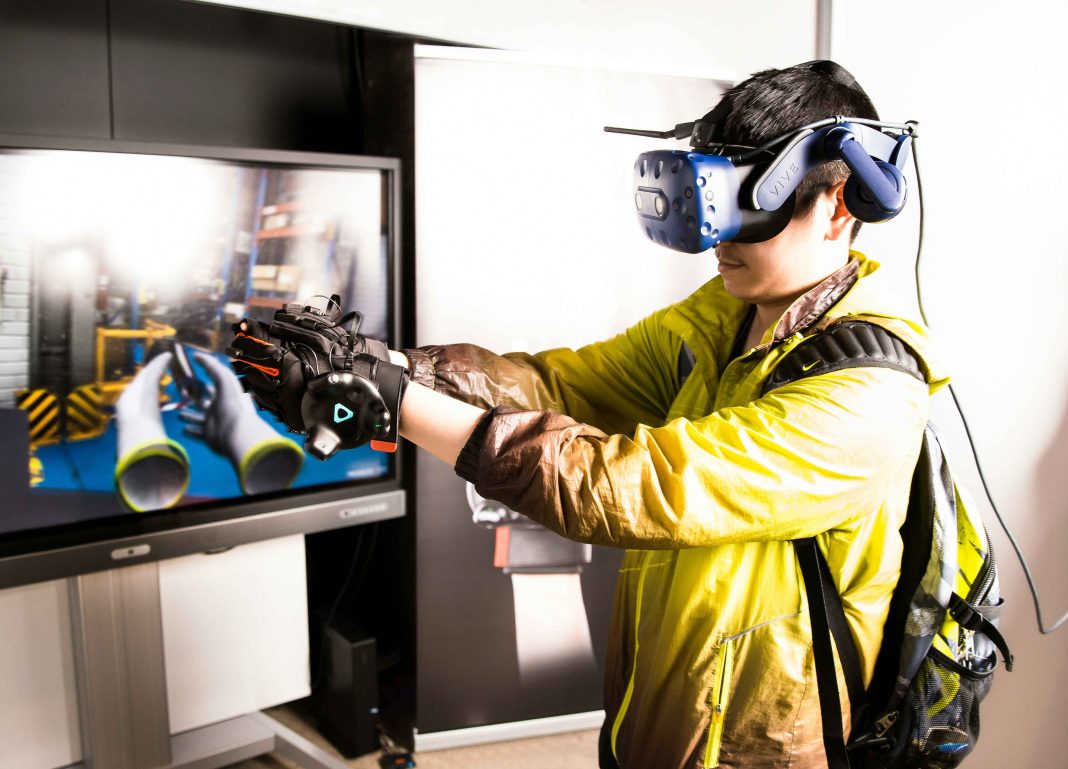
Innovations in XR hardware, such as lightweight AR glasses, advanced haptic gloves, and full-body suits, are enhancing immersion by allowing users to feel and interact with virtual environments more naturally, bridging the gap between the digital and physical worlds.
XR in Retail and E-Commerce
Retailers are using augmented reality (AR) to provide virtual try-ons, interactive showrooms, and personalized shopping experiences. Brands such as Sephora and IKEA use AR-powered applications to allow customers to visualize products in real-world settings before purchasing.
Conclusion
Extended Reality is fast changing, thanks to advances in AI, 5G, and hardware developments. As XR technology becomes more widely used, its applications across industries will grow, altering the way we work, learn, and engage with digital material. Businesses and consumers should stay ahead of these trends in order to fully realize the benefits of immersive experiences.
Stay informed with the newest XR trends and developments to embrace the future of digital transformation!



 is transforming industries with AI, 5G, and immersive experiences. Explore key trends shaping the future of AR, VR, and MR.)