
Introduction: A New Wave of Smart Healthcare Has Arrived
Hospitals around the world are under pressure in 2025.
Rising patient numbers, worker shortages, and growing demand for accuracy are pushing healthcare systems to rethink how care is delivered.
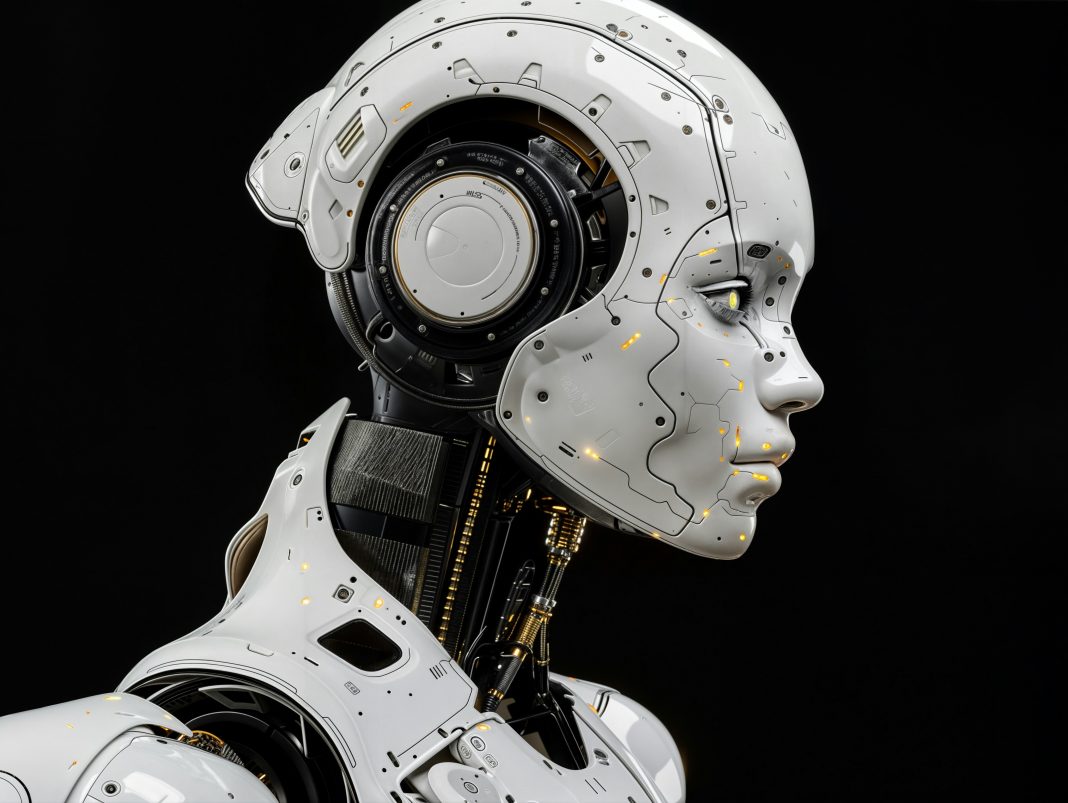
That’s where multi-tasking medical robots step in — advanced machines designed to support doctors, nurses, and technicians by taking over repetitive, high-precision, and time-sensitive tasks.
What once sounded futuristic is now becoming a standard part of modern healthcare.
What Are Multi-Tasking Medical Robots?
These robots are designed to perform several different medical and operational tasks, instead of being limited to a single function.
Core Capabilities
- Continuous patient monitoring
- Medication transport and assistance
- Surgical support
- Autonomous navigation
- Data recording and reporting
- Emergency response aid
This multi-function approach makes them incredibly valuable in today’s fast-paced hospitals.
Why Hospitals Are Rapidly Adopting These Robots
Hospitals aren’t choosing these robots for novelty — they’re choosing them because they genuinely solve real problems.
1. Staff Shortages and Burnout
Healthcare workers are overwhelmed.
Robots reduce workload by taking over repetitive tasks, allowing staff to focus on critical care.
2. Improved Accuracy and Safety
Robots don’t get tired.
They deliver medications, monitor patients, and assist surgeries with high precision, reducing human error.
3. Faster Patient Services
Robots speed up workflows by transporting supplies, collecting samples, and guiding patients around the hospital.
4. Lower Operational Costs
Although the initial investment is high, hospitals save money over time through:
- Reduced errors
- Faster procedures
- Less manual labor
How Multi-Tasking Robots Are Transforming Patient Care
Patient Monitoring Gets Smarter
Robots equipped with sensors track vital signs continuously.
They detect abnormalities early and notify nurses instantly.
Examples of monitored metrics:
- Heart rate
- Oxygen saturation
- Mobility and fall risk
- Temperature changes
Medication Delivery and Verification
Robots deliver medicines directly to patients and verify dosage using AI-powered checks.
This greatly reduces medication errors.
Robotic-Assisted Surgeries
Modern surgical robots offer:
- 3D visualization
- Tremor-free instrument control
- Micro-precision movements
This results in faster recovery times and fewer complications.
Emergency Response Support
Some robots can:
- Bring medical equipment
- Assist in CPR guidance
- Connect to the ER team
- Navigate hallways without human help
This quick response can make a life-saving difference.
Workflow Improvements Behind the Scenes
Multi-tasking robots handle many time-consuming but essential tasks.
They Help With:
- Delivering lab samples
- Transporting linens and supplies
- Cleaning isolation rooms
- Updating patient records
- Guiding visitors to departments
These tasks free up nurses and technicians to focus on direct patient care.
Real-World Examples: Robots That Are Already in Action
1. Moxi (USA)
Moxi robots deliver medications, transport supplies, and support nursing teams.
Some hospitals report a 40% reduction in staff workload after adoption.
2. Temi (Middle East & Asia)
Temi robots assist with patient navigation, telemedicine, and room deliveries.
Clinics save hundreds of staff hours each month.
3. Da Vinci Surgical Robots
Widely used for minimally invasive procedures, the newest Da Vinci models integrate AI for more accurate guidance.
Surgeons report better precision and shorter operation times.
4. Robear (Japan)
A robotic assistant designed to lift patients, reducing staff injuries and improving safety.
These examples show that multi-tasking robots are not theoretical — they are practical, efficient, and already transforming hospitals worldwide.
Challenges Hospitals Still Face
Despite rapid adoption, challenges remain.
1. High Upfront Costs
Advanced robotic systems are expensive to purchase and maintain.
2. Training Requirements
Doctors, nurses, and technicians need proper training to operate and troubleshoot robots.
3. Data Security and Privacy
Robots collect sensitive patient data, requiring robust cybersecurity measures.
4. Staff Resistance
Some workers feel uncertain about robots, even though they are designed to support — not replace — human roles.
What the Future Holds for Medical Robots
The next generation of medical robots will be even smarter, lighter, and more intuitive.
Upcoming Innovations
- Predictive AI-assisted care
- Improved patient interaction through natural language
- Home-care robots for chronic patients
- Wearable robotic assistants for seniors
- Faster diagnostic capabilities
Healthcare will shift toward collaborative environments where humans and robots work side by side.
Conclusion: Hospitals Are Entering a New Age of Care
Multi-tasking medical robots are not just tools — they’re partners in patient care.
They improve accuracy, reduce pressure on medical staff, and ensure better outcomes.
As these robots continue to evolve, hospitals that adopt them early will deliver faster, safer, and more personalized care.
The future of healthcare is human and robotic teamwork, and it has already begun.
Related Reading
- Polyfunctional Robots in Healthcare: Transforming Patient Care and Efficiency
- How Polyfunctional Robots Are Reshaping Modern Healthcare in 2025.
- The Rise of Digital Marketplaces: Why Gamers Are Choosing Smarter Ways to Buy
FAQs
1. What makes multi-tasking medical robots different from regular robots?
They can perform multiple tasks instead of being limited to one function.
2. Do robots replace hospital workers?
No. They support staff by reducing workload and preventing burnout.
3. Are robot-assisted surgeries safer?
Yes. Robots offer greater precision and control, reducing complications.
4. How do robots improve patient safety?
They monitor patients continuously and reduce human errors in medication delivery.
5. What is the biggest challenge with adopting robots?
High initial costs and staff training requirements.