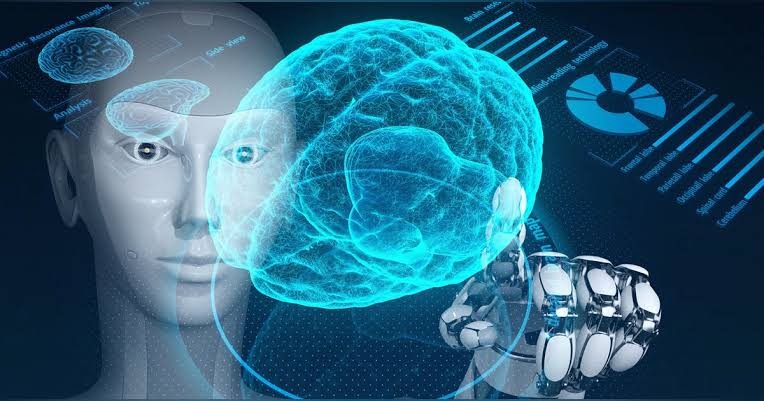
Artificial intelligence (AI) continues to push the limits of what technology can accomplish. One of the most exciting and contentious advancements in this subject is Necrobotics AI, which combines robotics, AI, and biological components. This new technology uses dead biological creatures as robotic components, allowing them to perform mechanical tasks with accuracy and efficiency.
In this post, we’ll look at Necrobotics AI, how it works, its applications, ethical considerations, and future possibilities.
What is Necrobotics AI?
Necrobotics AI is the use of deceased biological organisms in robotics, with artificial intelligence playing an important role in directing and optimizing their actions. The term “necro” (meaning dead) and “robotics” are combined, highlighting the utilization of once-living materials for robotic performance.
Key Characteristics of Necrobotics AI:
- Bio-Mechanical Integration: Uses biological materials (e.g., exoskeletons, tissues) to enhance robotics.
- AI Control: Machine learning algorithms optimize movement and function.
- Energy Efficiency: Reduces reliance on synthetic robotic parts and power sources.
- Sustainability: Promotes the recycling of organic matter for technological use.
- Precision Engineering: Takes advantage of natural structures like muscle fibers and exoskeletons.
How Does Necrobotics AI Work?
Necrobotics AI incorporates principles from a variety of scientific disciplines, including robotics, biomechanics, and AI-powered automation. The process normally includes:
- Selection of Biological Structures: Scientists identify organisms with useful mechanical properties (e.g., spider legs for gripping, bird wings for aerodynamics).
- Reactivation of Movements: Electrical, chemical, or hydraulic stimulation is applied to revive movement in specific tissues or joints.
- AI Integration: Machine learning algorithms analyze and optimize the control of the bio-robotic system.
- Application-Specific Modifications: Additional sensors or mechanical reinforcements may be added for durability and functionality.
Case Study: Spider Necrobotics
A recent advance in Necrobotics AI includes using dead spiders as robotic grippers. Rice University researchers have reanimated a spider’s legs with air pressure, allowing them to work as a mechanical claw. AI-controlled pressure adjustments enabled precise handling of fragile objects.
Applications of Necrobotics AI
Necrobotics AI has potential applications in a variety of fields, including biotechnology, medicine, environmental research, and automation.
Soft Robotics & Micro-Manipulation
- Spider-inspired robotic grippers for handling fragile objects.
- AI-controlled organic actuators for delicate mechanical operations.
Biomedical Engineering
- Potential use in prosthetics and bio-integrated devices.
- AI-driven tissue engineering for medical research.
Environmental & Sustainability Applications
- Using Necrobotics AI for eco-friendly materials instead of synthetic alternatives.
- AI-enhanced biodegradable robotics that decompose naturally after use.
Defense & Surveillance
- AI-driven bio-robots for reconnaissance and data collection.
- Camouflaged organic drones for stealth missions.
Space Exploration
- Necrobotic AI-inspired robots could be used for extreme environment exploration.
- AI-controlled organic materials may serve as self-repairing robotic parts.
Ethical Concerns & Challenges
Despite its potential, Necrobotics AI faces a number of ethical and practical challenges.
Ethical Concerns
- Moral implications of using dead organisms in robotics.
- Questions about respect for life and natural remains.
Durability & Longevity
- Organic materials decay over time, making long-term use challenging.
- AI-driven material preservation techniques may be required.
Public Perception
- Some people may find the concept of Necrobotics AI disturbing or unnatural.
- Education and ethical guidelines will be needed to increase acceptance.
Regulatory & Safety Issues
- Guidelines are needed to ensure responsible use of biological materials.
- Potential risks in handling dead organisms must be carefully addressed.
Future of Necrobotics AI
The future of Necrobotics AI is dependent on advances in AI, bioengineering, and robotics. Some possible future advancements include:
- AI-powered bio-hybrid systems combining synthetic and organic materials.
- Longer-lasting necrobotic materials through preservation techniques.
- Greater integration of Necrobotics AI in biomedical research and automation.
Conclusion
Necrobotics AI is a fascinating but contentious frontier in technology. Researchers can develop efficient, sustainable, and novel robotic systems by combining artificial intelligence and biological structures. While ethical and technical obstacles persist, this discipline has the potential to transform robotics, medicine, and environmental science in the coming years.
Would you like to improve this content with extra SEO optimization? 🚀