Introduction
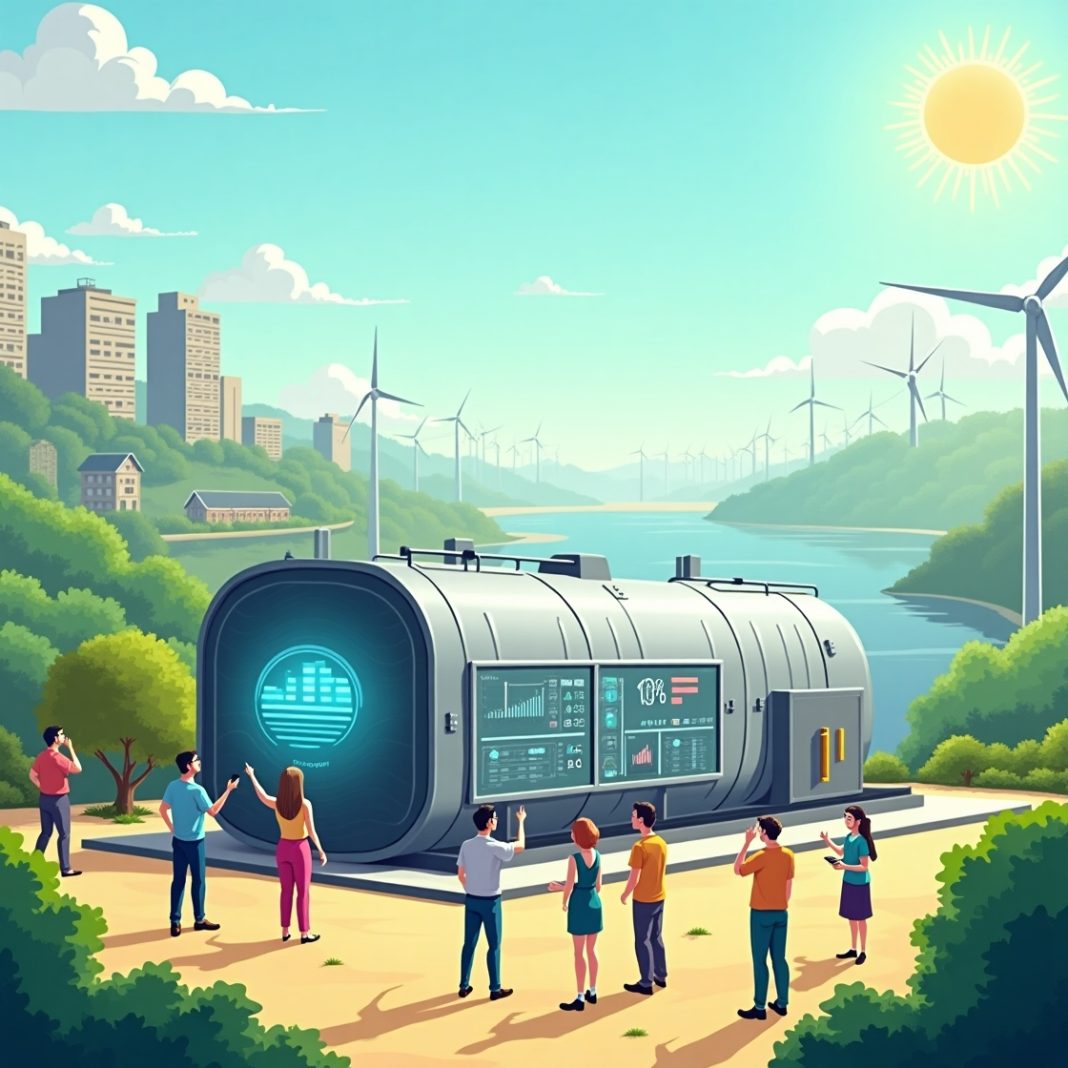
Energy storage has always been the missing piece in the renewable puzzle. Solar and wind deliver clean power, but their output is unpredictable. What happens when the sun sets or the wind stops blowing? This is where thermal energy storage—specifically sand-based storage systems—is starting to change the energy game. By using sand as a low-cost, durable medium, engineers are unlocking new ways to store heat and supply consistent, round-the-clock clean energy.
What Is Thermal Energy Storage?
Thermal energy storage (TES) captures excess energy and stores it as heat for later use. Instead of batteries, it relies on:
- Molten salts
- Water tanks
- Sand-based storage systems
These materials can hold heat for hours—or even days—before releasing it as needed.
Why Sand Is Emerging as a Game-Changer
Sand is cheap, abundant, and stable at high temperatures. Unlike lithium batteries, which degrade over time, sand can store heat at 500°C–1000°C with minimal loss.
Key Advantages of Sand-Based Storage:
- Low cost: Sand is far cheaper than chemical batteries.
- Durability: It can withstand extreme temperatures without damage.
- Sustainability: It’s abundant and non-toxic.
- Long storage duration: Capable of holding heat for days, not just hours.
Real-World Example: Finland’s Sand Battery
In 2022, a Finnish startup, Polar Night Energy, launched the world’s first sand battery. Installed at a power plant, it stores heat generated from renewable electricity. During peak demand, the stored heat is released to power district heating networks—keeping homes warm in the cold Finnish winter.
This innovation proves that sand isn’t just a theory—it’s already working in practice.
Comparing Sand Storage vs. Lithium Batteries
| Feature | Sand-Based Storage | Lithium Batteries |
|---|---|---|
| Cost | Very low | High |
| Durability | Decades-long | 5–10 years |
| Temperature Range | Up to 1000°C | Limited |
| Environmental Impact | Minimal | Mining-intensive |
Sand systems won’t replace batteries entirely, but they complement them, especially for large-scale heating and industrial use.
How Thermal Storage Supports Solar and Wind
Thermal storage bridges the gap between intermittent generation and steady supply. For example:
- Daytime solar surplus → stored as heat in sand.
- Nighttime demand → released to generate electricity or provide heating.
This flexibility makes renewables far more reliable, reducing the need for fossil-fuel backup.
Challenges and Limitations
Like any technology, sand-based storage has hurdles:
- Efficiency in converting heat back to electricity is still limited.
- Large infrastructure is required for installation.
- Not yet widely commercialized.
Still, as technology improves, costs will drop—just like solar panels did over the past decade.
The Future of Sand in Energy Storage
Experts predict that thermal sand storage could scale globally, especially in regions with high solar output. Industrial sites, manufacturing plants, and entire city grids could benefit from affordable, long-lasting storage solutions.
If integrated with smart grids, these systems could turn renewable energy into a 24/7 power source.
Conclusion
From solar farms in deserts to sand batteries in Europe, thermal storage is reshaping the energy landscape. While not a silver bullet, it complements existing solutions and offers a practical path toward round-the-clock renewable power. As technology matures, sand may prove to be one of the simplest yet most powerful tools in our clean energy transition.
Related Reading
- Saharan Dust Storms Threaten Europe’s Solar Energy Future.
- How Sand Can Store Solar and Wind Energy for Weeks—Here’s How It Works
- From Hubs to Robots: Inside the Future of Smart Homes in 2025.
FAQs
1. What makes sand better than lithium batteries for storage?
Sand is cheaper, lasts longer, and can store heat at much higher temperatures without degrading.
2. Can sand storage work everywhere?
Yes, but it’s most effective in places with strong renewable generation and high heating demand.
3. How efficient is sand-based energy storage?
While heat-to-electricity conversion is less efficient than batteries, it excels at thermal applications like district heating.
4. Is sand storage already in use?
Yes, Finland has successfully deployed a sand battery for district heating, proving real-world viability.
5. Will sand replace batteries completely?
No—sand complements batteries, especially in large-scale or heating-focused energy systems.